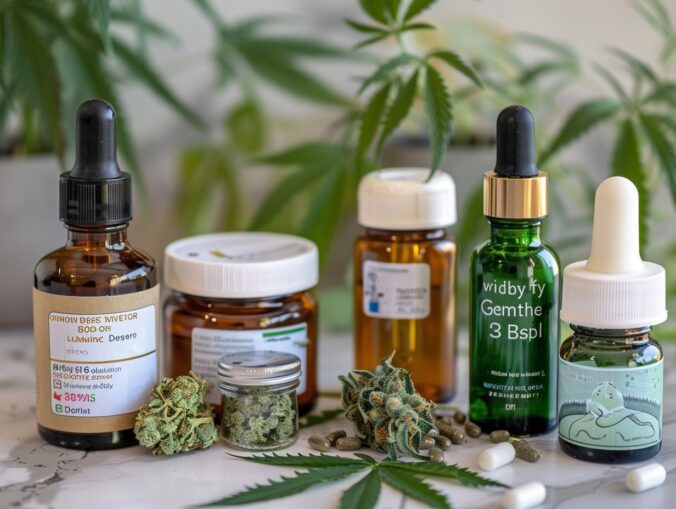
Curious about the differences between Delta-8 and CBD?
Explore the chemical structures, psychoactive effects, legal statuses, and potential health benefits of Delta-8 and CBD in this article.
Discover the similarities between these two cannabinoids and find out if Delta-8 is the same as CBD.
Learn more about these popular compounds and their effects on the body by reading on.
What Is Delta-8?
Delta-8 is a lesser-known cannabinoid derived from hemp through extraction processes, often found in various wellness products due to its natural origin and potential health benefits.
Derived from hemp plants, the process of extracting Delta-8 involves isolating and concentrating this compound to harness its unique properties. Known for its milder psychoactive effects compared to Delta-9 THC, Delta-8 offers consumers a more balanced experience. It’s gaining popularity in the wellness industry for its potential anti-nausea, anti-anxiety, and pain-relieving properties. Companies are incorporating Delta-8 into products like oils, edibles, and topicals, providing users with a natural alternative to traditional pharmaceutical options.

What Are The Differences Between Delta-8 And CBD?
Delta-8 and CBD differ in their chemical structures, psychoactive effects, and legal status, leading to variations in their potential wellness properties and effects on consumers.
- While both compounds are derived from the cannabis plant, Delta-8 is a THC compound with a double bond on the 8th carbon chain, imparting psychoactive effects that are milder compared to Delta-9 THC.
- On the other hand, CBD, a non-intoxicating cannabinoid, interacts with the endocannabinoid system differently, offering potential calming and relaxing properties without the high associated with THC.
In terms of legality, Delta-8 faces varying regulations across states, leading to a more complex legal landscape compared to the federally legal status of CBD. These differences in chemical makeup and legal standings play a major role in shaping the wellness experiences and effects that individuals may expect from using Delta-8 and CBD products.
Chemical Structure
The chemical structures of Delta-8 and CBD exhibit unique differences that contribute to their varying effects and potential health benefits, as extensively researched in the wellness community.
- Delta-8, known for its psychoactive properties, interacts with the body’s endocannabinoid system by binding primarily to CB1 receptors in the brain and nervous system.
- On the other hand, CBD, a non-intoxicating compound, influences this system by indirectly affecting CB2 receptors, mainly found in immune cells.
These distinct mechanisms explain why Delta-8 is more likely to cause a ‘high’ sensation compared to CBD. Both cannabinoids share anti-inflammatory and pain-relieving properties, making them popular choices for individuals seeking natural alternatives for managing various health conditions.
Psychoactive Effects
Delta-8 is known for its mild psychoactive properties, unlike CBD, which is non-psychoactive, affecting the consumption patterns of individuals and potentially leading to distinct side effects and wellness effects.
Those who consume Delta-8 usually do so for recreational purposes, seeking the euphoric high that comes with its psychoactive effects. On the other hand, CBD users often prioritize its potential therapeutic benefits like reducing anxiety or managing pain without experiencing any intoxicating effects.
This variance in psychoactivity plays a crucial role in determining why individuals choose one over the other. The different impacts on the endocannabinoid system also contribute to unique responses in users, influencing their overall experiences with these cannabinoids.
Legal Status
The legal status of Delta-8 and CBD varies due to regulations that govern the wellness industry, influencing the considerations and restrictions surrounding their production, sale, and consumption.
With the increasing popularity of Delta-8 and CBD products for their potential health benefits, the regulatory frameworks become crucial in ensuring consumer safety and product quality. The legality of these cannabinoids is a complex issue, as different states and countries have varying rules and restrictions. For businesses involved in producing and selling Delta-8 and CBD, navigating these legal landscapes is essential to avoid any potential legal pitfalls and ensure compliance with labeling, testing, and marketing regulations set forth by the authorities.
What Are The Similarities Between Delta-8 And CBD?
Delta-8 and CBD share common ground as cannabinoids, presenting similarities in their potential health benefits that have garnered attention in the wellness community for their wellness properties.
Both Delta-8 and CBD have been recognized for their anti-inflammatory properties, making them valuable options for individuals seeking natural remedies to reduce inflammation in the body. These cannabinoids are praised for their potential in alleviating symptoms of anxiety and stress, providing a sense of calm and relaxation.
Many users have reported improved sleep quality and relief from chronic pain when incorporating Delta-8 or CBD into their wellness routines. The versatility of these compounds in promoting overall well-being has contributed to their increasing popularity among health-conscious individuals.
Both Are Cannabinoids

Both Delta-8 and CBD belong to the family of cannabinoids, exhibiting similarities in their potential health benefits and wellness effects that cater to the wellness needs of consumers.
These cannabinoids, Delta-8 and CBD, are renowned for their ability to interact with the body’s endocannabinoid system, promoting balance and harmony within. Studies have shown that they possess anti-inflammatory properties, aiding in pain management and reducing discomfort. Both Delta-8 and CBD are praised for their anxiolytic effects, helping individuals manage stress and anxiety effectively. The versatility of these compounds makes them appealing options for those seeking holistic wellness solutions and natural alternatives to traditional medications.
Potential Health Benefits
Delta-8 and CBD offer diverse potential health benefits, including pain relief, anxiety, anti-inflammatory properties, and neuroprotective effects, making them valuable options for individuals seeking natural wellness solutions.
Individuals using Delta-8 and CBD may find relief from chronic pain conditions, as these compounds have shown analgesic properties that can help alleviate discomfort. Their anxiolytic effects contribute to managing stress and promoting a sense of calm. The anti-inflammatory qualities of Delta-8 and CBD offer potential relief for conditions related to inflammation, such as arthritis. The neuroprotective properties of these compounds suggest they could support cognitive function and brain health over time.
What Are The Potential Health Benefits Of Delta-8 And CBD?
Both Delta-8 and CBD offer potential health benefits, including anti-inflammatory properties, neuroprotective effects, and the ability to manage conditions like pain, anxiety, and depression, making them sought-after options for natural wellness solutions.
Many individuals are turning to Delta-8 and CBD due to their ability to alleviate symptoms associated with various health issues. Research suggests that these compounds can help reduce inflammation in the body, which is key in managing chronic conditions such as arthritis.
Their neuroprotective qualities are being explored for potential benefits in preserving cognitive function and addressing neurological disorders. By incorporating Delta-8 and CBD products into daily routines, individuals may find relief from ailments and enhance their overall well-being.
Pain Relief
Delta-8 and CBD are recognized for their potential in providing pain relief, offering individuals a natural alternative with health benefits that alleviate discomfort, although side effects may vary among users.
These cannabinoids interact with the body’s endocannabinoid system, regulating pain perception and inflammation. Delta-8 is known for its mild psychoactive effects that may offer additional relief for some, while CBD is non-intoxicating. Common side effects include dry mouth, dizziness, and changes in appetite. Compared to traditional pain medications, these natural remedies generally have fewer and milder side effects. It’s important for users to start with low doses to gauge tolerance and consult with a healthcare provider, especially if taking other medications.
Anxiety And Depression Relief
Both Delta-8 and CBD have been associated with providing relief from anxiety and depression, delivering wellness effects that aid individuals in managing these mental health conditions naturally.
These cannabinoids have shown promising potential in reducing stress and promoting a sense of calmness, which are crucial elements in alleviating symptoms of anxiety and depression. Delta-8 and CBD interact with the endocannabinoid system in the body, helping regulate mood and emotional responses. By promoting relaxation and enhancing mental clarity, these compounds offer a non-addictive and holistic approach to mental wellness. Research suggests that Delta-8 and CBD may also have neuroprotective properties, which could further benefit individuals struggling with anxiety or depression.
Anti-inflammatory Properties
Delta-8 and CBD exhibit anti-inflammatory properties that contribute to their potential health benefits, offering individuals a natural option for managing inflammation, subject to regulations governing their consumption and distribution.
These cannabinoids have been found to interact with the body’s endocannabinoid system, modulating immune responses and reducing inflammation. Delta-8 and CBD are considered safe and effective alternatives to traditional anti-inflammatory medications, with fewer adverse side effects. Their ability to decrease pain and swelling makes them valuable for conditions like arthritis, chronic pain, and inflammatory disorders. Regulations surrounding their production, labeling, and sale vary widely, impacting accessibility and quality control in the market.
Neuroprotective Properties
Delta-8 and CBD are recognized for their neuroprotective properties, with ongoing research showcasing their potential health benefits in protecting and supporting neurological functions, garnering attention for their diverse applications.
Studies have indicated that both Delta-8 and CBD exhibit anti-inflammatory and antioxidant properties that can potentially mitigate neurodegenerative diseases. The ability of these compounds to modulate neurotransmitter activity and promote neurogenesis is also being explored. Research suggests that Delta-8 and CBD may aid in reducing symptoms of anxiety, depression, and pain, further underlining their significance in overall neurological health.
The growing body of evidence supporting the neuroprotective effects of these cannabinoids continues to spark interest in their therapeutic potential.
What Are The Potential Side Effects Of Delta-8 And CBD?

While Delta-8 and CBD offer various health benefits, users may experience side effects such as drowsiness, dry mouth, changes in appetite, and potential interactions with other medications, emphasizing the importance of considering such effects.
Drowsiness is a common side effect that can affect individuals differently, ranging from mild to pronounced sedation. Dry mouth, often referred to as cottonmouth, is another frequent reaction that may occur due to the cannabinoids’ impact on saliva production. Changes in appetite, either increase or decrease, have also been reported by some users. It is crucial for individuals using medications to be aware of potential interactions with Delta-8 and CBD, as these can impact the effectiveness or side effects of certain drugs.
Drowsiness
Drowsiness is a common side effect reported by users of Delta-8 and CBD, necessitating wellness considerations for individuals incorporating these cannabinoids into their routine.
It is vital for users to be attentive to their bodies and prioritize wellness when experiencing drowsiness as a side effect. Adequate rest, hydration, and mindful relaxation techniques can help alleviate the feelings of drowsiness.
Users should be cautious when engaging in activities that require focus and attention, such as driving or operating machinery, while under the influence of Delta-8 or CBD to ensure their safety and well-being.
Seeking medical advice and adjusting dosage or timing of consumption can also be beneficial in managing drowsiness caused by these cannabinoids.
Dry Mouth
Dry mouth is a prevalent side effect observed in consumers of Delta-8 and CBD, influencing their consumption patterns and wellness effects, requiring individuals to manage this reaction.
It is essential for individuals to address dry mouth effectively, as its persistence may lead to increased water intake and frequent snacking to alleviate discomfort. This side effect can impact the overall experience of using Delta-8 and CBD products, potentially affecting the desired wellness benefits. Some users may find that sipping water regularly or using sugar-free gum can help alleviate dry mouth symptoms, allowing them to continue incorporating these products into their wellness routines. Understanding and managing side effects like dry mouth are crucial for maintaining a positive and effective experience with Delta-8 and CBD.
Changes In Appetite
Changes in appetite are noted as a potential side effect of Delta-8 and CBD, affecting users’ dietary habits and health effects, within the framework of regulations governing cannabinoid consumption.
Among users, increased appetite, or “munchies,” is commonly associated with THC-dominant products, leading to potential overeating and weight gain. On the other hand, CBD and Delta-8 may have varying effects, with some individuals experiencing a decrease in appetite. These fluctuations in appetite can have significant implications on one’s daily food intake and nutritional balance.
Regulatory considerations play a crucial role in monitoring and controlling the sale and use of cannabinoids to ensure consumer safety and adherence to legal guidelines.
Interactions With Other Medications
Interactions with other medications are a crucial consideration for users of Delta-8 and CBD, as these cannabinoids may impact the effectiveness and side effects of certain drugs, necessitating awareness of potential health implications and regulatory guidelines.
Understanding how Delta-8 and CBD can influence drug interactions is essential for individuals taking multiple medications to manage various health conditions. These cannabinoids have been found to interact with enzymes in the body that play a key role in drug metabolism, potentially altering the way certain medications are processed and utilized.
This can lead to unexpected changes in drug concentrations in the bloodstream, affecting both the therapeutic effects and potential side effects of medications. Therefore, being well-informed about possible interactions and consulting healthcare professionals is crucial for safe and effective medication management.
Is Delta-8 The Same As CBD?
While Delta-8 and CBD share similarities in being cannabinoids, their differing chemical compositions lead to distinct effects on the body, influencing their legal status and wellness effects experienced by consumers.
- Delta-8, a psychoactive compound derived from hemp, interacts with the endocannabinoid system more potently than CBD, resulting in a stronger high.
- CBD, on the other hand, is non-intoxicating and primarily interacts with other receptors in the body, offering a calming effect without the high.
Due to these differences, Delta-8 is classified as a controlled substance in some states, whereas CBD is federally legal. Users report that Delta-8 provides a euphoric experience with a clear-headed feeling, while CBD brings relaxation and stress relief.
Chemical Composition
The chemical compositions of Delta-8 and CBD exhibit unique differences that contribute to their varying effects and potential health benefits, as extensively researched in the wellness community.
Delta-8, a minor cannabinoid found in cannabis, is structurally similar to Delta-9 THC but with notable distinctions in its psychoactive properties and legal status. On the other hand, CBD, or cannabidiol, is a non-intoxicating compound known for its potential therapeutic effects without producing a ‘high.’
Research suggests that Delta-8 may offer benefits such as reduced nausea and pain relief, while CBD is recognized for its anti-inflammatory and anxiety-reducing properties. Both compounds interact with the body’s endocannabinoid system, albeit in different ways, contributing to their diverse range of potential health applications.
Effects On The Body

Delta-8 is known for its mild psychoactive properties, unlike CBD, which is non-psychoactive, affecting the consumption patterns of individuals and potentially leading to distinct side effects and wellness effects.
The psychoactive nature of Delta-8 can result in users seeking it for recreational purposes or for its potential euphoric effects. On the other hand, the non-psychoactive characteristics of CBD make it a popular choice for individuals looking for therapeutic benefits without the “high” associated with traditional cannabis use.
These differences in effects influence how users approach and incorporate these compounds into their wellness routines, with Delta-8 being more commonly used for its mood-altering effects and CBD for its potential health benefits such as pain relief and reduced anxiety.
Legal Status
The legal status of Delta-8 and CBD varies due to regulations that govern the wellness industry, influencing the considerations and restrictions surrounding their production, sale, and consumption.
Delta-8, a compound extracted from hemp, falls within a legal gray area, with some states allowing its sale while others restrict it. CBD, also derived from hemp, has faced similar ambiguity in its legality.
The evolving regulatory frameworks often stem from concerns about consumer safety, product quality, and labeling accuracy. These regulations pose challenges for businesses in the production and distribution of these cannabinoids, requiring adherence to specific guidelines to ensure compliance with federal and state laws.
Understanding the shifting legal landscape is crucial for stakeholders navigating the complexities of the wellness market.
Frequently Asked Questions
Is Delta-8 and CBD the same?
No, Delta-8 and CBD are not the same. They are two different compounds found in the cannabis plant.
What is the difference between Delta-8 and CBD?
The main difference between Delta-8 and CBD is their chemical structure. Delta-8 has a double bond on the eighth carbon chain, while CBD has a double bond on the ninth carbon chain.
Do Delta-8 and CBD have the same effects on the body?
No, Delta-8 and CBD have different effects on the body. While both can produce a feeling of relaxation, Delta-8 is known for its psychoactive properties, while CBD is not.
Can Delta-8 and CBD be used interchangeably?
No, Delta-8 and CBD cannot be used interchangeably. They have different chemical compositions and interact with the body differently, so their effects and uses are not the same.
Is one better than the other, Delta-8 or CBD?
It depends on your personal preferences and needs. Both Delta-8 and CBD have their own unique benefits and uses, so it’s important to do your own research and consult with a healthcare professional before deciding which one is best for you.
Are there any potential side effects of using Delta-8 and CBD?
Just like any other supplement or medication, Delta-8 and CBD may have potential side effects. However, they are generally considered safe and well-tolerated, with minimal side effects reported. It’s always important to follow recommended dosages and consult with a healthcare professional if you have any concerns.