Category: Cannabis (Page 1 of 3)

Is Delta8 And CBD The Same

Curious about the differences between Delta-8 and CBD?

Explore the chemical structures, psychoactive effects, legal statuses, and potential health benefits of Delta-8 and CBD in this article.

Discover the similarities between these two cannabinoids and find out if Delta-8 is the same as CBD.

Learn more about these popular compounds and their effects on the body by reading on.

What Is Delta-8?

Delta-8 is a lesser-known cannabinoid derived from hemp through extraction processes, often found in various wellness products due to its natural origin and potential health benefits.

Derived from hemp plants, the process of extracting Delta-8 involves isolating and concentrating this compound to harness its unique properties. Known for its milder psychoactive effects compared to Delta-9 THC, Delta-8 offers consumers a more balanced experience. It’s gaining popularity in the wellness industry for its potential anti-nausea, anti-anxiety, and pain-relieving properties. Companies are incorporating Delta-8 into products like oils, edibles, and topicals, providing users with a natural alternative to traditional pharmaceutical options.

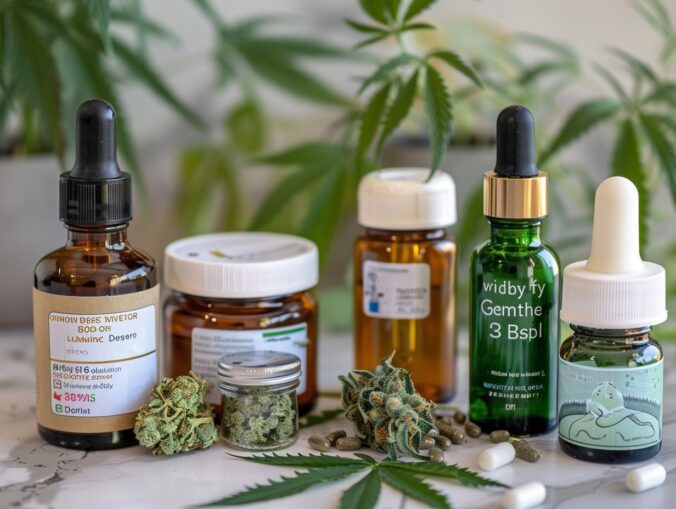
cbd oil cannabidiol cannabinoid

What Are The Differences Between Delta-8 And CBD?

Delta-8 and CBD differ in their chemical structures, psychoactive effects, and legal status, leading to variations in their potential wellness properties and effects on consumers.

  1. While both compounds are derived from the cannabis plant, Delta-8 is a THC compound with a double bond on the 8th carbon chain, imparting psychoactive effects that are milder compared to Delta-9 THC.
  2. On the other hand, CBD, a non-intoxicating cannabinoid, interacts with the endocannabinoid system differently, offering potential calming and relaxing properties without the high associated with THC.

In terms of legality, Delta-8 faces varying regulations across states, leading to a more complex legal landscape compared to the federally legal status of CBD. These differences in chemical makeup and legal standings play a major role in shaping the wellness experiences and effects that individuals may expect from using Delta-8 and CBD products.

Chemical Structure

The chemical structures of Delta-8 and CBD exhibit unique differences that contribute to their varying effects and potential health benefits, as extensively researched in the wellness community.

  1. Delta-8, known for its psychoactive properties, interacts with the body’s endocannabinoid system by binding primarily to CB1 receptors in the brain and nervous system.
  2. On the other hand, CBD, a non-intoxicating compound, influences this system by indirectly affecting CB2 receptors, mainly found in immune cells.

These distinct mechanisms explain why Delta-8 is more likely to cause a ‘high’ sensation compared to CBD. Both cannabinoids share anti-inflammatory and pain-relieving properties, making them popular choices for individuals seeking natural alternatives for managing various health conditions.

Psychoactive Effects

Delta-8 is known for its mild psychoactive properties, unlike CBD, which is non-psychoactive, affecting the consumption patterns of individuals and potentially leading to distinct side effects and wellness effects.

Those who consume Delta-8 usually do so for recreational purposes, seeking the euphoric high that comes with its psychoactive effects. On the other hand, CBD users often prioritize its potential therapeutic benefits like reducing anxiety or managing pain without experiencing any intoxicating effects.

This variance in psychoactivity plays a crucial role in determining why individuals choose one over the other. The different impacts on the endocannabinoid system also contribute to unique responses in users, influencing their overall experiences with these cannabinoids.

Legal Status

The legal status of Delta-8 and CBD varies due to regulations that govern the wellness industry, influencing the considerations and restrictions surrounding their production, sale, and consumption.

With the increasing popularity of Delta-8 and CBD products for their potential health benefits, the regulatory frameworks become crucial in ensuring consumer safety and product quality. The legality of these cannabinoids is a complex issue, as different states and countries have varying rules and restrictions. For businesses involved in producing and selling Delta-8 and CBD, navigating these legal landscapes is essential to avoid any potential legal pitfalls and ensure compliance with labeling, testing, and marketing regulations set forth by the authorities.

What Are The Similarities Between Delta-8 And CBD?

Delta-8 and CBD share common ground as cannabinoids, presenting similarities in their potential health benefits that have garnered attention in the wellness community for their wellness properties.

Both Delta-8 and CBD have been recognized for their anti-inflammatory properties, making them valuable options for individuals seeking natural remedies to reduce inflammation in the body. These cannabinoids are praised for their potential in alleviating symptoms of anxiety and stress, providing a sense of calm and relaxation.

Many users have reported improved sleep quality and relief from chronic pain when incorporating Delta-8 or CBD into their wellness routines. The versatility of these compounds in promoting overall well-being has contributed to their increasing popularity among health-conscious individuals.

Both Are Cannabinoids

Both Are Cannabinoids

Both Delta-8 and CBD belong to the family of cannabinoids, exhibiting similarities in their potential health benefits and wellness effects that cater to the wellness needs of consumers.

These cannabinoids, Delta-8 and CBD, are renowned for their ability to interact with the body’s endocannabinoid system, promoting balance and harmony within. Studies have shown that they possess anti-inflammatory properties, aiding in pain management and reducing discomfort. Both Delta-8 and CBD are praised for their anxiolytic effects, helping individuals manage stress and anxiety effectively. The versatility of these compounds makes them appealing options for those seeking holistic wellness solutions and natural alternatives to traditional medications.

Potential Health Benefits

Delta-8 and CBD offer diverse potential health benefits, including pain relief, anxiety, anti-inflammatory properties, and neuroprotective effects, making them valuable options for individuals seeking natural wellness solutions.

Individuals using Delta-8 and CBD may find relief from chronic pain conditions, as these compounds have shown analgesic properties that can help alleviate discomfort. Their anxiolytic effects contribute to managing stress and promoting a sense of calm. The anti-inflammatory qualities of Delta-8 and CBD offer potential relief for conditions related to inflammation, such as arthritis. The neuroprotective properties of these compounds suggest they could support cognitive function and brain health over time.

What Are The Potential Health Benefits Of Delta-8 And CBD?

Both Delta-8 and CBD offer potential health benefits, including anti-inflammatory properties, neuroprotective effects, and the ability to manage conditions like pain, anxiety, and depression, making them sought-after options for natural wellness solutions.

Many individuals are turning to Delta-8 and CBD due to their ability to alleviate symptoms associated with various health issues. Research suggests that these compounds can help reduce inflammation in the body, which is key in managing chronic conditions such as arthritis.

Their neuroprotective qualities are being explored for potential benefits in preserving cognitive function and addressing neurological disorders. By incorporating Delta-8 and CBD products into daily routines, individuals may find relief from ailments and enhance their overall well-being.

Pain Relief

Delta-8 and CBD are recognized for their potential in providing pain relief, offering individuals a natural alternative with health benefits that alleviate discomfort, although side effects may vary among users.

These cannabinoids interact with the body’s endocannabinoid system, regulating pain perception and inflammation. Delta-8 is known for its mild psychoactive effects that may offer additional relief for some, while CBD is non-intoxicating. Common side effects include dry mouth, dizziness, and changes in appetite. Compared to traditional pain medications, these natural remedies generally have fewer and milder side effects. It’s important for users to start with low doses to gauge tolerance and consult with a healthcare provider, especially if taking other medications.

Anxiety And Depression Relief

Both Delta-8 and CBD have been associated with providing relief from anxiety and depression, delivering wellness effects that aid individuals in managing these mental health conditions naturally.

These cannabinoids have shown promising potential in reducing stress and promoting a sense of calmness, which are crucial elements in alleviating symptoms of anxiety and depression. Delta-8 and CBD interact with the endocannabinoid system in the body, helping regulate mood and emotional responses. By promoting relaxation and enhancing mental clarity, these compounds offer a non-addictive and holistic approach to mental wellness. Research suggests that Delta-8 and CBD may also have neuroprotective properties, which could further benefit individuals struggling with anxiety or depression.

Anti-inflammatory Properties

Delta-8 and CBD exhibit anti-inflammatory properties that contribute to their potential health benefits, offering individuals a natural option for managing inflammation, subject to regulations governing their consumption and distribution.

These cannabinoids have been found to interact with the body’s endocannabinoid system, modulating immune responses and reducing inflammation. Delta-8 and CBD are considered safe and effective alternatives to traditional anti-inflammatory medications, with fewer adverse side effects. Their ability to decrease pain and swelling makes them valuable for conditions like arthritis, chronic pain, and inflammatory disorders. Regulations surrounding their production, labeling, and sale vary widely, impacting accessibility and quality control in the market.

Neuroprotective Properties

Delta-8 and CBD are recognized for their neuroprotective properties, with ongoing research showcasing their potential health benefits in protecting and supporting neurological functions, garnering attention for their diverse applications.

Studies have indicated that both Delta-8 and CBD exhibit anti-inflammatory and antioxidant properties that can potentially mitigate neurodegenerative diseases. The ability of these compounds to modulate neurotransmitter activity and promote neurogenesis is also being explored. Research suggests that Delta-8 and CBD may aid in reducing symptoms of anxiety, depression, and pain, further underlining their significance in overall neurological health.

The growing body of evidence supporting the neuroprotective effects of these cannabinoids continues to spark interest in their therapeutic potential.

What Are The Potential Side Effects Of Delta-8 And CBD?

While Delta-8 and CBD offer various health benefits, users may experience side effects such as drowsiness, dry mouth, changes in appetite, and potential interactions with other medications, emphasizing the importance of considering such effects.

Drowsiness is a common side effect that can affect individuals differently, ranging from mild to pronounced sedation. Dry mouth, often referred to as cottonmouth, is another frequent reaction that may occur due to the cannabinoids’ impact on saliva production. Changes in appetite, either increase or decrease, have also been reported by some users. It is crucial for individuals using medications to be aware of potential interactions with Delta-8 and CBD, as these can impact the effectiveness or side effects of certain drugs.

Drowsiness

Drowsiness is a common side effect reported by users of Delta-8 and CBD, necessitating wellness considerations for individuals incorporating these cannabinoids into their routine.

It is vital for users to be attentive to their bodies and prioritize wellness when experiencing drowsiness as a side effect. Adequate rest, hydration, and mindful relaxation techniques can help alleviate the feelings of drowsiness.

Users should be cautious when engaging in activities that require focus and attention, such as driving or operating machinery, while under the influence of Delta-8 or CBD to ensure their safety and well-being.

Seeking medical advice and adjusting dosage or timing of consumption can also be beneficial in managing drowsiness caused by these cannabinoids.

Dry Mouth

Dry mouth is a prevalent side effect observed in consumers of Delta-8 and CBD, influencing their consumption patterns and wellness effects, requiring individuals to manage this reaction.

It is essential for individuals to address dry mouth effectively, as its persistence may lead to increased water intake and frequent snacking to alleviate discomfort. This side effect can impact the overall experience of using Delta-8 and CBD products, potentially affecting the desired wellness benefits. Some users may find that sipping water regularly or using sugar-free gum can help alleviate dry mouth symptoms, allowing them to continue incorporating these products into their wellness routines. Understanding and managing side effects like dry mouth are crucial for maintaining a positive and effective experience with Delta-8 and CBD.

Changes In Appetite

Changes in appetite are noted as a potential side effect of Delta-8 and CBD, affecting users’ dietary habits and health effects, within the framework of regulations governing cannabinoid consumption.

Among users, increased appetite, or “munchies,” is commonly associated with THC-dominant products, leading to potential overeating and weight gain. On the other hand, CBD and Delta-8 may have varying effects, with some individuals experiencing a decrease in appetite. These fluctuations in appetite can have significant implications on one’s daily food intake and nutritional balance.

Regulatory considerations play a crucial role in monitoring and controlling the sale and use of cannabinoids to ensure consumer safety and adherence to legal guidelines.

Interactions With Other Medications

Interactions with other medications are a crucial consideration for users of Delta-8 and CBD, as these cannabinoids may impact the effectiveness and side effects of certain drugs, necessitating awareness of potential health implications and regulatory guidelines.

Understanding how Delta-8 and CBD can influence drug interactions is essential for individuals taking multiple medications to manage various health conditions. These cannabinoids have been found to interact with enzymes in the body that play a key role in drug metabolism, potentially altering the way certain medications are processed and utilized.

This can lead to unexpected changes in drug concentrations in the bloodstream, affecting both the therapeutic effects and potential side effects of medications. Therefore, being well-informed about possible interactions and consulting healthcare professionals is crucial for safe and effective medication management.

Is Delta-8 The Same As CBD?

While Delta-8 and CBD share similarities in being cannabinoids, their differing chemical compositions lead to distinct effects on the body, influencing their legal status and wellness effects experienced by consumers.

  1. Delta-8, a psychoactive compound derived from hemp, interacts with the endocannabinoid system more potently than CBD, resulting in a stronger high.
  2. CBD, on the other hand, is non-intoxicating and primarily interacts with other receptors in the body, offering a calming effect without the high.

Due to these differences, Delta-8 is classified as a controlled substance in some states, whereas CBD is federally legal. Users report that Delta-8 provides a euphoric experience with a clear-headed feeling, while CBD brings relaxation and stress relief.

Chemical Composition

The chemical compositions of Delta-8 and CBD exhibit unique differences that contribute to their varying effects and potential health benefits, as extensively researched in the wellness community.

Delta-8, a minor cannabinoid found in cannabis, is structurally similar to Delta-9 THC but with notable distinctions in its psychoactive properties and legal status. On the other hand, CBD, or cannabidiol, is a non-intoxicating compound known for its potential therapeutic effects without producing a ‘high.’

Research suggests that Delta-8 may offer benefits such as reduced nausea and pain relief, while CBD is recognized for its anti-inflammatory and anxiety-reducing properties. Both compounds interact with the body’s endocannabinoid system, albeit in different ways, contributing to their diverse range of potential health applications.

Effects On The Body

Delta-8 is known for its mild psychoactive properties, unlike CBD, which is non-psychoactive, affecting the consumption patterns of individuals and potentially leading to distinct side effects and wellness effects.

The psychoactive nature of Delta-8 can result in users seeking it for recreational purposes or for its potential euphoric effects. On the other hand, the non-psychoactive characteristics of CBD make it a popular choice for individuals looking for therapeutic benefits without the “high” associated with traditional cannabis use.

These differences in effects influence how users approach and incorporate these compounds into their wellness routines, with Delta-8 being more commonly used for its mood-altering effects and CBD for its potential health benefits such as pain relief and reduced anxiety.

Legal Status

The legal status of Delta-8 and CBD varies due to regulations that govern the wellness industry, influencing the considerations and restrictions surrounding their production, sale, and consumption.

Delta-8, a compound extracted from hemp, falls within a legal gray area, with some states allowing its sale while others restrict it. CBD, also derived from hemp, has faced similar ambiguity in its legality.

The evolving regulatory frameworks often stem from concerns about consumer safety, product quality, and labeling accuracy. These regulations pose challenges for businesses in the production and distribution of these cannabinoids, requiring adherence to specific guidelines to ensure compliance with federal and state laws.

Understanding the shifting legal landscape is crucial for stakeholders navigating the complexities of the wellness market.

Frequently Asked Questions

Is Delta-8 and CBD the same?

No, Delta-8 and CBD are not the same. They are two different compounds found in the cannabis plant.

What is the difference between Delta-8 and CBD?

The main difference between Delta-8 and CBD is their chemical structure. Delta-8 has a double bond on the eighth carbon chain, while CBD has a double bond on the ninth carbon chain.

Do Delta-8 and CBD have the same effects on the body?

No, Delta-8 and CBD have different effects on the body. While both can produce a feeling of relaxation, Delta-8 is known for its psychoactive properties, while CBD is not.

Can Delta-8 and CBD be used interchangeably?

No, Delta-8 and CBD cannot be used interchangeably. They have different chemical compositions and interact with the body differently, so their effects and uses are not the same.

Is one better than the other, Delta-8 or CBD?

It depends on your personal preferences and needs. Both Delta-8 and CBD have their own unique benefits and uses, so it’s important to do your own research and consult with a healthcare professional before deciding which one is best for you.

Are there any potential side effects of using Delta-8 and CBD?

Just like any other supplement or medication, Delta-8 and CBD may have potential side effects. However, they are generally considered safe and well-tolerated, with minimal side effects reported. It’s always important to follow recommended dosages and consult with a healthcare professional if you have any concerns.


The Best CBD Gummies For Anxiety

Are you looking for a natural solution to help with anxiety?

  • We will explore what CBD is and how it works in the body to provide relief.
  • Discover the benefits of using CBD for anxiety, including reducing symptoms, promoting relaxation, and potentially helping with panic attacks.
  • Learn about the different forms of CBD available, factors to consider when choosing the best CBD for anxiety, potential side effects, and tips on how to use CBD effectively.
  • Discover how CBD can potentially help with anxiety.

How Does CBD Work in the Body?

CBD interacts with the human body through the endocannabinoid system, which regulates various functions to promote wellness benefits. Its effects as a natural remedy have been found to be effective in supporting overall health.

The endocannabinoid system plays a crucial role in maintaining balance and harmony within the body, influencing processes such as pain sensation, mood, appetite, and inflammation. By interacting with this system, CBD can help to modulate these functions, leading to potential benefits such as pain relief, reduced anxiety, improved sleep, and enhanced overall well-being.

This holistic approach to health highlights the versatility of CBD as a natural remedy, offering a promising avenue for individuals seeking alternative ways to support their physical and mental health.

What Are the Benefits of CBD for Anxiety?

CBD offers a range of benefits for anxiety, providing stress relief, promoting mental health, and inducing relaxation. It has shown promise in alleviating symptoms of anxiety disorders and being an effective treatment option.

Many individuals turn to CBD as a natural alternative to traditional medications for managing anxiety due to its non-psychoactive properties and limited side effects. CBD interacts with the body’s endocannabinoid system, which plays a crucial role in regulating mood and stress responses. By influencing serotonin receptors in the brain, CBD can help improve feelings of well-being and reduce anxiety levels. CBD’s anti-inflammatory properties may also contribute to its calming effects on the body, further aiding in relaxation and overall mental well-being.

Reduces Anxiety Symptoms

CBD has been found to reduce anxiety symptoms by promoting stress relief and supporting mental health. Its effectiveness in alleviating symptoms makes it a valuable option for those dealing with anxiety.

By interacting with the body’s endocannabinoid system, CBD helps regulate mood and reduce the physiological effects of anxiety. Studies have shown that CBD can lower anxiety levels in individuals with social anxiety disorder, generalized anxiety disorder, and post-traumatic stress disorder. CBD has been noted for its ability to improve sleep quality, which is often disrupted by anxiety. The calming effects of CBD are thought to be due to its interaction with serotonin receptors in the brain, promoting feelings of relaxation and well-being.

Promotes Relaxation and Better Sleep

CBD promotes relaxation and better sleep by inducing a calming effect on the mind, leading to improved mental relaxation and enhanced sleep quality.

This natural compound interacts with the endocannabinoid system in the body, helping regulate the sleep-wake cycle and promote feelings of calmness. By reducing anxiety and stress levels, CBD can help create a conducive environment for restful sleep. Studies have shown that CBD may also have anti-inflammatory properties, which can help alleviate pain and discomfort that may interfere with sleep. Incorporating CBD into your bedtime routine may offer a natural and gentle way to unwind and prepare your body and mind for a restful night’s sleep.

May Help with Panic Attacks

CBD may help with panic attacks by providing relief through its calming properties, aiding in stress management and serving as an effective treatment option for panic-related symptoms.

CBD works by interacting with the body’s endocannabinoid system, which plays a crucial role in regulating stress responses. By targeting receptors in this system, CBD helps to reduce the intensity of panic attacks and promote a sense of calmness.

Many individuals find that incorporating CBD into their daily routine can lead to a decrease in the frequency and severity of panic-related symptoms. CBD is widely regarded for its ability to help individuals cope with anxiety and stress, making it a promising natural remedy for managing panic attacks.

What Are the Different Forms of CBD?

Gummy CBD

CBD is available in various forms to cater to different consumer preferences, including CBD oil, CBD gummies 300mg edibles, and topicals. The market offers a wide range of products to meet the demands of consumers.

  1. CBD oil is one of the most popular forms of CBD, valued for its versatility and ease of use.


  2. Edibles provide a tasty and convenient way to consume CBD, such as gummies or infused chocolates.


  3. For those seeking localized relief, topicals like creams and balms offer targeted application.


The diverse array of CBD products reflects the growing market demand for alternative wellness solutions, allowing individuals to explore and choose products that best suit their needs and lifestyles.

CBD Oil

CBD oil is one of the most popular CBD products on the market known for its high quality and organic nature. It is sourced from reputable suppliers, lab-tested for efficacy, and offers various wellness benefits, contributing to the market’s growth.

Consumers are increasingly drawn to CBD oil due to its natural origins and potential health perks, making it a preferred choice in the wellness industry. The demand for CBD oil from reputable suppliers has surged, as customers seek transparency and reliability. Lab testing ensures the purity and potency of the product, instilling trust and confidence among users. The market growth of CBD oil can be attributed to its versatile uses such as alleviating anxiety, promoting better sleep, and managing pain effectively, enhancing its appeal to a diverse range of individuals.

CBD Edibles

CBD edibles are a popular choice for consumers seeking a tasty and convenient way to consume CBD. They offer precise dosage options and provide various wellness benefits, leading to high customer satisfaction.

The appeal of CBD edibles lies not only in their delicious flavor profiles, which can range from gummies to chocolates, but also in the ease with which they can be integrated into daily routines. For those looking to improve their overall well-being, CBD edibles offer a subtle and consistent way to experience the potential benefits of cannabidiol.

Many users appreciate the discreet nature of edibles, allowing them to enjoy the effects of CBD without drawing attention. This discreetness, coupled with the accurate dosing information provided on packaging, adds to the appeal and convenience of CBD edibles for a wide range of customers.

CBD Topicals

CBD topicals are designed for external application on the skin, offering relief and soothing effects. They are in high demand due to their targeted benefits and direct application method.

These topicals come in various forms such as creams, balms, lotions, and salves, allowing users to choose based on their preferences and needs. The application of CBD topicals to the skin provides localized relief, making them a popular choice for those seeking targeted pain relief. The anti-inflammatory properties of CBD can help with skin conditions like eczema and psoriasis, further contributing to their popularity. Many users appreciate how CBD topicals offer a natural alternative to traditional pain relief methods and skincare products.

What Are the Factors to Consider When Choosing the Best CBD for Anxiety?

When selecting the best CBD for anxiety, factors such as quality, reputable brands, THC-free products, appropriate dosage, and trusted brands are crucial considerations, especially for health-conscious consumers.

It is essential for individuals looking to alleviate anxiety with CBD to prioritize products that undergo stringent quality control measures and are produced by reputable companies known for their transparency and commitment to customer safety.

Opting for THC-free options ensures that users can experience the therapeutic benefits of CBD without any psychoactive effects.

Determining the appropriate dosage based on personal needs and consulting with a healthcare professional can lead to optimal results.

Health-conscious consumers value trusted brands that prioritize purity, potency, and overall product efficacy for their CBD selection.

Source and Quality of CBD

The source and quality of CBD are paramount when selecting a product, ensuring it is organic, sourced from reputable manufacturers, lab-tested for efficacy, and maintains high potency through strict quality control.

High-quality CBD from reputable manufacturers offers consumers assurance of purity and effectiveness. By opting for organically sourced CBD, individuals can avoid exposure to harmful chemicals or additives. Rigorous lab testing procedures further validate the product’s potency and safety, providing peace of mind to users. Quality control measures ensure consistent and reliable CBD products that deliver the intended benefits. Choosing CBD from trusted sources with a focus on quality can enhance the overall experience and therapeutic potential for users.

THC Content

Considering the THC content in CBD products is vital, especially for those seeking non-psychoactive and alternative medicine options. Opting for THC-free products ensures a focus on therapeutic benefits without the psychoactive effects.

THC-free CBD products have gained popularity among individuals looking for natural remedies that offer relief without altering their mental state. By choosing products with zero THC, consumers can experience the potential health benefits of CBD without the concern of intoxication or impaired cognitive function. This opens up a wider market for those who may be sensitive to THC or have restrictions due to work or personal preferences, allowing them to explore the wellness properties of CBD in a safe and effective manner.

Potency and Dosage

Understanding the potency and appropriate dosage of CBD is essential for effective management, ensuring a safe option that delivers high-quality results for individuals seeking CBD benefits.

  1. When it comes to CBD, potency refers to the concentration of active cannabinoids within the product, which directly impacts its effectiveness. Choosing the right potency is crucial as it can influence the outcome of your CBD experience.
  2. Understanding the appropriate dosage is equally important to avoid negative side effects and optimize the potential benefits. By carefully managing the potency and dosage of CBD products, individuals can experience the full range of therapeutic effects while maintaining safety and effectiveness in their consumption practices.

Method of Consumption

Selecting the method of CBD consumption is a personal choice that should align with individual preferences and wellness goals, offering a suitable option for integrating CBD into wellness solutions and lifestyle choices.

When considering the various methods of CBD consumption, individuals have options ranging from sublingual tinctures and edibles to topicals and inhalation. Each method impacts the effectiveness of CBD differently due to variations in bioavailability and absorption rates.

For instance, sublingual consumption allows for faster absorption into the bloodstream compared to edibles, which must pass through the digestive system. Inhalation, on the other hand, offers rapid effects but may not be suitable for those with respiratory issues. It is crucial to select a consumption method that complements one’s lifestyle and health considerations for optimal wellness benefits.

What Are the Side Effects of CBD?

While CBD is generally considered safe, some individuals may experience potential side effects such as changes in appetite, fatigue, or diarrhea. It is essential to monitor these reactions and prioritize products with natural ingredients for mental clarity.

Choosing CBD products that are made with natural ingredients not only benefits your physical health but also contributes to your mental well-being. Synthetic additives and chemicals can impact your cognitive functions negatively, so opting for organic options is crucial.

By maintaining mental clarity, you can enhance your overall sense of well-being and effectively manage any potential side effects that may arise from CBD consumption. Remember to consult with a healthcare professional before incorporating CBD into your routine to ensure safe and responsible usage.

How to Use CBD for Anxiety?

Using CBD for anxiety requires careful consideration, starting with a consultation with a healthcare professional to determine the appropriate dosage. It is essential to monitor your reaction, maintain consistency in usage, and follow a specific timing regimen.

Your healthcare provider can offer valuable guidance on how to integrate CBD effectively into your wellness routine. By closely observing how your body responds to CBD, you can make informed adjustments to maximize its benefits. Ensuring consistent daily use and adhering to the recommended timing of doses can enhance the effectiveness of CBD in managing anxiety. Remember, individual responses may vary, so ongoing monitoring and communication with your healthcare provider are key for optimal results.

Consult with a Doctor

Patient: Doctor, I don't feel well and I'm not sure why
Patient: Doctor, I don’t feel well and I’m not sure why

Before starting CBD for anxiety, it is crucial to consult with a doctor or healthcare provider to receive personalized medical advice and professional guidance on dosage and usage.

Your physician or mental health expert can provide valuable insights on how CBD may interact with any existing medications or conditions you have. They can help tailor a specific treatment plan that suits your individual needs, taking into account factors such as your medical history, overall health, and any potential side effects that need to be monitored.

By seeking professional advice, you can address any concerns or uncertainties you may have and ensure that your CBD usage is safe, effective, and aligned with your overall wellness goals.

Start with a Low Dose

When incorporating CBD for anxiety, it is recommended to start with a low dose, especially for beginners, to allow for a gradual adjustment to the effects and build tolerance over time.

This approach not only aids in minimizing any potential unwanted side effects but also helps the body adapt effectively to the compound. By starting with a low CBD dose, individuals can gauge their response and slowly increase the amount as needed. Consistent usage at a lower dose allows the body to acclimate to the cannabinoid, enhancing its efficacy in managing anxiety symptoms. Remember, the key is patience and observation to find the optimal dosage that works best for you.

Monitor Your Reaction

While using CBD for anxiety, it is essential to monitor your reaction to the product, observing any changes in your well-being and noting the effects to ensure it aligns with your expectations and goals.

This monitoring process can involve keeping a detailed journal to track your mood, anxiety levels, and any physical symptoms before and after using CBD. By maintaining this record, you can easily identify patterns or shifts that may indicate how CBD is affecting you.

It is also crucial to pay attention to the dosage you are taking and how it influences your overall well-being. Connecting these observations to your wellness objectives can help you make informed decisions on adjusting your CBD usage to better support your health and anxiety management.

Be Consistent with Dosage and Timing

For effective anxiety management with CBD, consistency in dosage and timing is key to achieving optimal results. Establishing a routine and adhering to it can enhance the overall benefits of CBD for anxiety relief.

Consistency not only helps in maintaining a stable level of CBD in your system but also allows you to track and assess its effectiveness over time. By establishing a regular schedule for taking CBD, you create a habit that aligns with your anxiety management goals. This routine can help you manage your symptoms more effectively and potentially experience more sustained relief. Remember, finding the right dosage and timing that works best for you may require some trial and adjustment, but the benefits of consistency are well worth the effort.

Frequently Asked Questions

What is CBD and how does it help with anxiety?

CBD, or cannabidiol, is a chemical compound found in the cannabis plant. It is known for its therapeutic effects, including reducing anxiety and promoting relaxation. CBD interacts with our body’s endocannabinoid system, which helps regulate mood and stress levels.

What makes a CBD product the best for anxiety?

The effectiveness of a CBD product for anxiety depends on several factors, including the quality and purity of the CBD, the dosage, and the method of consumption. Look for products that are third-party tested and have high concentrations of CBD for the best results.

Are there any side effects of using CBD for anxiety?

CBD is generally well-tolerated and has minimal side effects, which may include dry mouth, drowsiness, and changes in appetite. However, it is always recommended to consult with a healthcare professional before starting any new supplement.

What is the recommended dosage for using CBD for anxiety?

The recommended dosage for CBD varies depending on the individual’s weight, metabolism, and the severity of their anxiety. It is best to start with a low dose and gradually increase until the desired effect is achieved. It is also important to follow the dosage instructions provided by the manufacturer.

Can CBD be used as a long-term solution for anxiety?

While CBD has shown promising results in reducing anxiety and promoting relaxation, it is not intended to be a long-term solution. It is recommended to use CBD in conjunction with other anxiety management techniques, such as therapy, exercise, and healthy lifestyle habits.

Are there any other benefits of using CBD for anxiety?

In addition to its anti-anxiety properties, CBD has also been shown to have potential benefits for other mental health conditions, such as depression and PTSD. It may also have anti-inflammatory and pain-relieving effects, making it a potential option for managing physical symptoms of anxiety.

Is CBD Effective In Managing Pain If So What Types Of Pain

Curious about the buzz surrounding CBD and its potential pain-relieving properties?

In this article, we explore the world of CBD and its role in pain management. From chronic pain to migraines, we delve into the various types of pain that CBD may help with. Discover the benefits of using CBD as a natural alternative to traditional pain medications, along with the different methods of consumption for pain relief.

Stay tuned to learn about recommended dosages and potential risks associated with using CBD for pain management.

How Does CBD Work for Pain Relief?

CBD interacts with the body’s endocannabinoid system by targeting specific receptors involved in pain modulation, inflammation, and immune responses. Through this interaction, CBD exhibits anti-inflammatory and analgesic properties, modulating pain perception pathways in the body.

By influencing the endocannabinoid system, CBD can help reduce the release of pro-inflammatory cytokines, dampen the sensation of pain, and enhance the body’s natural ability to manage discomfort. CBD has been found to interact with TRPV1 receptors, which play a crucial role in regulating pain perception. This intricate mechanism allows CBD to provide relief for various types of pain, such as neuropathic pain, inflammatory pain, and chronic pain conditions.

What Types of Pain Can CBD Help With?

CBD has shown promise in alleviating various types of pain, including chronic pain conditions like arthritis, neuropathic pain, and inflammatory pain. It has also been studied for its potential benefits in managing migraines and other forms of persistent pain.

Research suggests that CBD interacts with the endocannabinoid system in the body, which plays a crucial role in regulating pain response. By influencing receptors like CB1 and CB2, CBD may help reduce pain signals in conditions such as arthritis, neuropathy, and inflammatory disorders. Many individuals have reported finding relief from their symptoms after incorporating CBD into their pain management routine. CBD’s anti-inflammatory properties have been shown to be particularly effective in addressing conditions characterized by swelling and inflammation, such as arthritis.

Chronic Pain

Chronic pain, characterized by persistent discomfort lasting longer than 12 weeks, is a common condition that has been a focus of CBD research due to its potential therapeutic benefits. Studies have shown promising evidence supporting the use of cannabinoids like CBD in managing chronic pain effectively.

Research suggests that CBD interacts with the body’s endocannabinoid system, which plays a key role in regulating pain perception. By influencing the neurotransmitters involved in pain signaling, CBD may help reduce inflammation and alleviate discomfort associated with chronic pain conditions. CBD is known for its anti-inflammatory properties, making it a promising option for those seeking long-term relief without the potential harmful side effects of traditional pain medications. These findings have sparked interest in exploring CBD as a natural alternative for chronic pain management.

Arthritis Pain

Arthritis pain, a common symptom of arthritis affecting the joints, can be debilitating for many individuals. CBD has emerged as a potential natural remedy for arthritis pain, offering anti-inflammatory properties that may provide relief for joint discomfort.

This natural compound derived from the cannabis plant has garnered attention for its potential to alleviate inflammation and pain associated with various types of arthritis. CBD interacts with the body’s endocannabinoid system, helping to regulate immune responses and reduce inflammatory processes in the joints.

Many individuals have reported experiencing reduced swelling and improved mobility after incorporating CBD into their pain management routine. Unlike traditional pharmaceutical options, CBD is generally well-tolerated with minimal side effects, making it an attractive alternative for those seeking natural solutions for arthritis discomfort.

Neuropathic Pain

Neuropathic pain, caused by damage or dysfunction of the nervous system, presents unique challenges in pain management. CBD has shown neuroprotective properties and efficacy in studies focusing on alleviating neuropathic pain and reducing nerve-related discomfort.

Individuals living with neuropathic pain often face persistent and debilitating symptoms that can significantly affect their quality of life. Studies have indicated that CBD interacts with the endocannabinoid system to modulate pain perception and inflammation, providing relief for those suffering from nerve-related pain. Research has also highlighted the anti-inflammatory and antioxidant effects of CBD, which play a crucial role in protecting nerves from further damage and promoting healing. These findings underscore the promising potential of CBD as a natural and effective alternative for managing neuropathic pain.

Migraine Pain

Migraine pain, often accompanied by severe headaches and sensory disturbances, can be challenging to manage. CBD’s anti-inflammatory properties and potential therapeutic effects have sparked interest in its role as a natural therapy for alleviating migraine symptoms and providing relief.

People who suffer from migraines often find themselves navigating through debilitating pain, sensitivity to light and sound, and nausea, disrupting their daily routines. The throbbing and pulsating nature of migraine headaches can be overwhelming, making it difficult to concentrate or engage in regular activities.

CBD, with its anti-inflammatory properties, has shown promise in potentially reducing the intensity and frequency of migraines. By targeting the underlying causes of inflammation, CBD offers a natural alternative for managing migraine symptoms and improving overall quality of life.

Cancer Pain

Cancer pain, a prevalent symptom among cancer patients undergoing treatments, can significantly impact their quality of life. CBD has been considered a complementary therapy for managing cancer pain symptoms, aiming to improve the overall well-being and comfort of individuals during their cancer journey.

The challenges of managing cancer pain go beyond the physical discomfort, often affecting the mental and emotional well-being of patients. Individuals battling cancer pain may experience sleep disturbances, appetite changes, and mood alterations, further adding to their distress.

CBD’s potential to alleviate these symptoms offers a ray of hope for patients seeking relief beyond traditional pain management methods. By incorporating CBD into their care routine, individuals may find enhanced symptom control and a renewed sense of comfort, helping them navigate through the challenges of cancer treatment with greater resilience.

What are the Benefits of Using CBD for Pain Management?

Using CBD for pain management offers several advantages, including being non-addictive, non-psychoactive, and associated with minimal side effects. It serves as a natural alternative to traditional pain medications, providing a safer option for those seeking relief without the risks of opioids.

CBD’s effectiveness in pain relief has been backed by numerous studies, highlighting its potential to alleviate chronic pain without causing the dependency often seen with opioid use. Individuals exploring holistic approaches to wellness are increasingly turning to CBD products to manage their pain symptoms. CBD’s anti-inflammatory properties make it a promising option for reducing pain and promoting overall well-being, making it a versatile choice for those looking for a gentle yet potent solution to their discomfort.

Non-addictive and Non-psychoactive

CBD’s non-addictive and non-psychoactive properties make it a preferred choice for individuals seeking pain relief without the risk of dependency or psychoactive effects. Its health benefits and therapeutic potential further contribute to its appeal as a natural remedy for managing various types of pain.

In fact, many people turn to CBD as a safer alternative to traditional pain medications due to its minimal side effects and high tolerability. Research has shown that CBD interacts with the body’s endocannabinoid system, helping to regulate functions like pain perception and inflammation. This makes it a promising option for those dealing with chronic pain conditions such as arthritis, neuropathy, or fibromyalgia. CBD’s anti-inflammatory properties not only target the symptoms but also address the root causes of pain, offering a holistic approach to pain management.

Minimal Side Effects

CBD is associated with minimal side effects compared to traditional pain medications, making it a safer option for long-term use. Its safety profile and efficacy have been subject to assessment through pharmacological studies, highlighting its potential as a well-tolerated pain management solution.

Studies have shown that CBD exhibits a favorable safety profile, with minor side effects such as fatigue, changes in appetite, and diarrhea reported in some cases. Notably, these side effects are typically mild and transient, unlike the more severe adverse reactions often associated with opioids and other conventional pain relief medications.

Research has also delved into the pharmacological effects of CBD, demonstrating its ability to interact with the endocannabinoid system to modulate pain signaling and inflammation. This mechanism of action contributes to its promising role in pain management with reduced risks of addiction or overdose.

Natural Alternative to Traditional Pain Medications

CBD’s role as a natural alternative to traditional pain medications aligns with the increasing interest in plant-based remedies and holistic approaches to healthcare. Its anti-inflammatory properties and plant-based origin make it a sought-after option for those looking for natural pain relief solutions.

CBD’s origins from the cannabis plant highlight its deeply rooted connection to nature, allowing individuals to tap into the healing power of plants for pain management. The holistic benefits of CBD extend beyond just alleviating pain, often promoting overall wellness and balance within the body. By targeting inflammation at its source, CBD offers a gentler, more sustainable approach to managing pain compared to conventional pharmaceuticals, making it a popular choice among those seeking a more natural and holistic path to well-being.

How to Use CBD for Pain Relief?

CBD can be used for pain relief through various methods, including topical application, oral consumption, and inhalation. Each method offers distinct advantages and considerations based on the individual’s preferences and the targeted pain.

  1. Topical application involves directly applying CBD-infused creams or balms to the skin, targeting specific areas for localized relief. This method is convenient and allows for targeted application, making it popular for joint or muscle pain.
  2. Oral consumption, such as using CBD oils or edibles, provides a systemic approach, offering longer-lasting relief throughout the body.
  3. Inhalation, through methods like vaping or smoking CBD flower, allows for quick absorption into the bloodstream, offering rapid relief but with a shorter duration compared to oral consumption.

Topical Application

Topical application of CBD involves directly applying CBD-infused products to the skin, targeting localized pain areas such as muscle pain and inflammation. This method allows for efficient absorption and bioavailability of CBD, offering targeted relief for specific pain concerns.

By applying CBD topically, the cannabinoid compounds interact with the body’s endocannabinoid system present in the skin, muscles, and nerves. This interaction helps to reduce inflammation, ease muscle tension, and alleviate localized discomfort.

Topical CBD products can bypass the digestive system, allowing for faster relief without needing to pass through the bloodstream first. This direct approach optimizes the concentration of CBD at the site of application, enhancing its effectiveness in addressing pain and inflammation in a more localized manner.

Oral Consumption

Oral consumption of CBD involves ingesting CBD products such as oils, capsules, or edibles to manage pain effectively. This method allows for precise dosage control and offers various benefits, enhancing CBD’s therapeutic potential in pain management.

When consuming CBD orally for pain relief, it is important to consider the appropriate dosage based on factors such as body weight, tolerance, and the condition being treated. By taking CBD products through the oral route, the compounds can be absorbed through the digestive system and metabolized in the liver, resulting in sustained release and long-lasting effects. This method is convenient for individuals seeking a discreet and easy way to incorporate CBD into their wellness routine, providing a gradual and steady alleviation of pain symptoms.

Inhalation

Inhalation of CBD through methods like vaping or smoking allows for quick absorption into the bloodstream, making it an effective option for managing nerve pain and acute discomfort. Proper dosage recommendations are essential when using CBD inhalation for pain relief.

When inhaling CBD for pain relief, it is crucial to understand that the dosage plays a significant role in its effectiveness. By following recommended dosage guidelines, individuals can experience the optimal benefits of CBD without the risk of adverse effects.

Nerve pain, in particular, can be alleviated by the fast-acting nature of CBD inhalation, providing quick relief to those experiencing discomfort. Consistency in dosing and a mindful approach to consumption are key factors in harnessing the full potential of CBD for pain management through inhalation.”

What is the Recommended Dosage of CBD for Pain?

Determining the recommended dosage of CBD for pain involves considering factors such as the severity of pain, individual tolerance levels, and the specific condition being treated. Evidence-based guidelines and pain scales are often used in chronic pain syndromes to guide CBD dosage recommendations.

These guidelines help healthcare providers assess the effectiveness of CBD treatment by tracking changes in pain levels and overall patient well-being. Pain scales, such as the Visual Analog Scale (VAS) or Numeric Rating Scale (NRS), allow patients to describe their pain intensity, enabling providers to adjust CBD dosages accordingly. It’s crucial to start with a low CBD dosage and gradually increase it while closely monitoring pain relief and any potential side effects. This personalized approach ensures that individuals receive an optimal dosage tailored to their unique pain management needs.

Are There Any Risks or Side Effects of Using CBD for Pain Management?

While CBD is generally well-tolerated, there are potential risks and side effects associated with its use in pain management. Understanding the safety profile of CBD, monitoring for adverse reactions, and consulting with healthcare providers can help mitigate potential risks.

Common side effects of CBD include fatigue, diarrhea, and changes in appetite. CBD can interact with certain medications, potentially affecting their efficacy. It is crucial to be mindful of these risks and consult with a healthcare professional before incorporating CBD into your pain management regimen.

Regular monitoring for any adverse reactions is important to ensure that the benefits of CBD outweigh the potential risks. Safety should always be a top priority when considering any new treatment approach for chronic pain.

Frequently Asked Questions

Is CBD effective in managing pain?

Yes, studies have shown that CBD can be effective in managing pain. It works by interacting with the body’s endocannabinoid system, which helps regulate pain levels.

What types of pain can CBD help with?

CBD has been found to be effective in managing various types of pain, including chronic pain, neuropathic pain, and inflammatory pain. It may also help with arthritis, migraines, and menstrual cramps.

Is CBD a better alternative to traditional pain medications?

CBD is often considered a safer and more natural alternative to traditional pain medications, which can have harmful side effects and potential for addiction. However, it is important to consult with a healthcare professional before replacing any medication with CBD.

How should CBD be used for pain management?

The most common way to use CBD for pain management is by taking it orally, either in the form of oil, capsules, or edibles. It can also be applied topically to the affected area for localized pain relief.

Are there any potential side effects of using CBD for pain management?

While CBD is generally well-tolerated, some people may experience side effects such as drowsiness, dry mouth, and changes in appetite. It is important to start with a low dosage and monitor your body’s reaction.

Can CBD be used alongside other pain medications?

CBD can potentially interact with certain medications, so it is important to consult with a healthcare professional before using CBD alongside other pain medications. They can advise on the best dosage and potential interactions.

« Older posts