Page 7 of 9

Is CBD Effective In Managing Pain If So What Types Of Pain

Curious about the buzz surrounding CBD and its potential pain-relieving properties?

In this article, we explore the world of CBD and its role in pain management. From chronic pain to migraines, we delve into the various types of pain that CBD may help with. Discover the benefits of using CBD as a natural alternative to traditional pain medications, along with the different methods of consumption for pain relief.

Stay tuned to learn about recommended dosages and potential risks associated with using CBD for pain management.

How Does CBD Work for Pain Relief?

CBD interacts with the body’s endocannabinoid system by targeting specific receptors involved in pain modulation, inflammation, and immune responses. Through this interaction, CBD exhibits anti-inflammatory and analgesic properties, modulating pain perception pathways in the body.

By influencing the endocannabinoid system, CBD can help reduce the release of pro-inflammatory cytokines, dampen the sensation of pain, and enhance the body’s natural ability to manage discomfort. CBD has been found to interact with TRPV1 receptors, which play a crucial role in regulating pain perception. This intricate mechanism allows CBD to provide relief for various types of pain, such as neuropathic pain, inflammatory pain, and chronic pain conditions.

What Types of Pain Can CBD Help With?

CBD has shown promise in alleviating various types of pain, including chronic pain conditions like arthritis, neuropathic pain, and inflammatory pain. It has also been studied for its potential benefits in managing migraines and other forms of persistent pain.

Research suggests that CBD interacts with the endocannabinoid system in the body, which plays a crucial role in regulating pain response. By influencing receptors like CB1 and CB2, CBD may help reduce pain signals in conditions such as arthritis, neuropathy, and inflammatory disorders. Many individuals have reported finding relief from their symptoms after incorporating CBD into their pain management routine. CBD’s anti-inflammatory properties have been shown to be particularly effective in addressing conditions characterized by swelling and inflammation, such as arthritis.

Chronic Pain

Chronic pain, characterized by persistent discomfort lasting longer than 12 weeks, is a common condition that has been a focus of CBD research due to its potential therapeutic benefits. Studies have shown promising evidence supporting the use of cannabinoids like CBD in managing chronic pain effectively.

Research suggests that CBD interacts with the body’s endocannabinoid system, which plays a key role in regulating pain perception. By influencing the neurotransmitters involved in pain signaling, CBD may help reduce inflammation and alleviate discomfort associated with chronic pain conditions. CBD is known for its anti-inflammatory properties, making it a promising option for those seeking long-term relief without the potential harmful side effects of traditional pain medications. These findings have sparked interest in exploring CBD as a natural alternative for chronic pain management.

Arthritis Pain

Arthritis pain, a common symptom of arthritis affecting the joints, can be debilitating for many individuals. CBD has emerged as a potential natural remedy for arthritis pain, offering anti-inflammatory properties that may provide relief for joint discomfort.

This natural compound derived from the cannabis plant has garnered attention for its potential to alleviate inflammation and pain associated with various types of arthritis. CBD interacts with the body’s endocannabinoid system, helping to regulate immune responses and reduce inflammatory processes in the joints.

Many individuals have reported experiencing reduced swelling and improved mobility after incorporating CBD into their pain management routine. Unlike traditional pharmaceutical options, CBD is generally well-tolerated with minimal side effects, making it an attractive alternative for those seeking natural solutions for arthritis discomfort.

Neuropathic Pain

Neuropathic pain, caused by damage or dysfunction of the nervous system, presents unique challenges in pain management. CBD has shown neuroprotective properties and efficacy in studies focusing on alleviating neuropathic pain and reducing nerve-related discomfort.

Individuals living with neuropathic pain often face persistent and debilitating symptoms that can significantly affect their quality of life. Studies have indicated that CBD interacts with the endocannabinoid system to modulate pain perception and inflammation, providing relief for those suffering from nerve-related pain. Research has also highlighted the anti-inflammatory and antioxidant effects of CBD, which play a crucial role in protecting nerves from further damage and promoting healing. These findings underscore the promising potential of CBD as a natural and effective alternative for managing neuropathic pain.

Migraine Pain

Migraine pain, often accompanied by severe headaches and sensory disturbances, can be challenging to manage. CBD’s anti-inflammatory properties and potential therapeutic effects have sparked interest in its role as a natural therapy for alleviating migraine symptoms and providing relief.

People who suffer from migraines often find themselves navigating through debilitating pain, sensitivity to light and sound, and nausea, disrupting their daily routines. The throbbing and pulsating nature of migraine headaches can be overwhelming, making it difficult to concentrate or engage in regular activities.

CBD, with its anti-inflammatory properties, has shown promise in potentially reducing the intensity and frequency of migraines. By targeting the underlying causes of inflammation, CBD offers a natural alternative for managing migraine symptoms and improving overall quality of life.

Cancer Pain

Cancer pain, a prevalent symptom among cancer patients undergoing treatments, can significantly impact their quality of life. CBD has been considered a complementary therapy for managing cancer pain symptoms, aiming to improve the overall well-being and comfort of individuals during their cancer journey.

The challenges of managing cancer pain go beyond the physical discomfort, often affecting the mental and emotional well-being of patients. Individuals battling cancer pain may experience sleep disturbances, appetite changes, and mood alterations, further adding to their distress.

CBD’s potential to alleviate these symptoms offers a ray of hope for patients seeking relief beyond traditional pain management methods. By incorporating CBD into their care routine, individuals may find enhanced symptom control and a renewed sense of comfort, helping them navigate through the challenges of cancer treatment with greater resilience.

What are the Benefits of Using CBD for Pain Management?

Using CBD for pain management offers several advantages, including being non-addictive, non-psychoactive, and associated with minimal side effects. It serves as a natural alternative to traditional pain medications, providing a safer option for those seeking relief without the risks of opioids.

CBD’s effectiveness in pain relief has been backed by numerous studies, highlighting its potential to alleviate chronic pain without causing the dependency often seen with opioid use. Individuals exploring holistic approaches to wellness are increasingly turning to CBD products to manage their pain symptoms. CBD’s anti-inflammatory properties make it a promising option for reducing pain and promoting overall well-being, making it a versatile choice for those looking for a gentle yet potent solution to their discomfort.

Non-addictive and Non-psychoactive

CBD’s non-addictive and non-psychoactive properties make it a preferred choice for individuals seeking pain relief without the risk of dependency or psychoactive effects. Its health benefits and therapeutic potential further contribute to its appeal as a natural remedy for managing various types of pain.

In fact, many people turn to CBD as a safer alternative to traditional pain medications due to its minimal side effects and high tolerability. Research has shown that CBD interacts with the body’s endocannabinoid system, helping to regulate functions like pain perception and inflammation. This makes it a promising option for those dealing with chronic pain conditions such as arthritis, neuropathy, or fibromyalgia. CBD’s anti-inflammatory properties not only target the symptoms but also address the root causes of pain, offering a holistic approach to pain management.

Minimal Side Effects

CBD is associated with minimal side effects compared to traditional pain medications, making it a safer option for long-term use. Its safety profile and efficacy have been subject to assessment through pharmacological studies, highlighting its potential as a well-tolerated pain management solution.

Studies have shown that CBD exhibits a favorable safety profile, with minor side effects such as fatigue, changes in appetite, and diarrhea reported in some cases. Notably, these side effects are typically mild and transient, unlike the more severe adverse reactions often associated with opioids and other conventional pain relief medications.

Research has also delved into the pharmacological effects of CBD, demonstrating its ability to interact with the endocannabinoid system to modulate pain signaling and inflammation. This mechanism of action contributes to its promising role in pain management with reduced risks of addiction or overdose.

Natural Alternative to Traditional Pain Medications

CBD’s role as a natural alternative to traditional pain medications aligns with the increasing interest in plant-based remedies and holistic approaches to healthcare. Its anti-inflammatory properties and plant-based origin make it a sought-after option for those looking for natural pain relief solutions.

CBD’s origins from the cannabis plant highlight its deeply rooted connection to nature, allowing individuals to tap into the healing power of plants for pain management. The holistic benefits of CBD extend beyond just alleviating pain, often promoting overall wellness and balance within the body. By targeting inflammation at its source, CBD offers a gentler, more sustainable approach to managing pain compared to conventional pharmaceuticals, making it a popular choice among those seeking a more natural and holistic path to well-being.

How to Use CBD for Pain Relief?
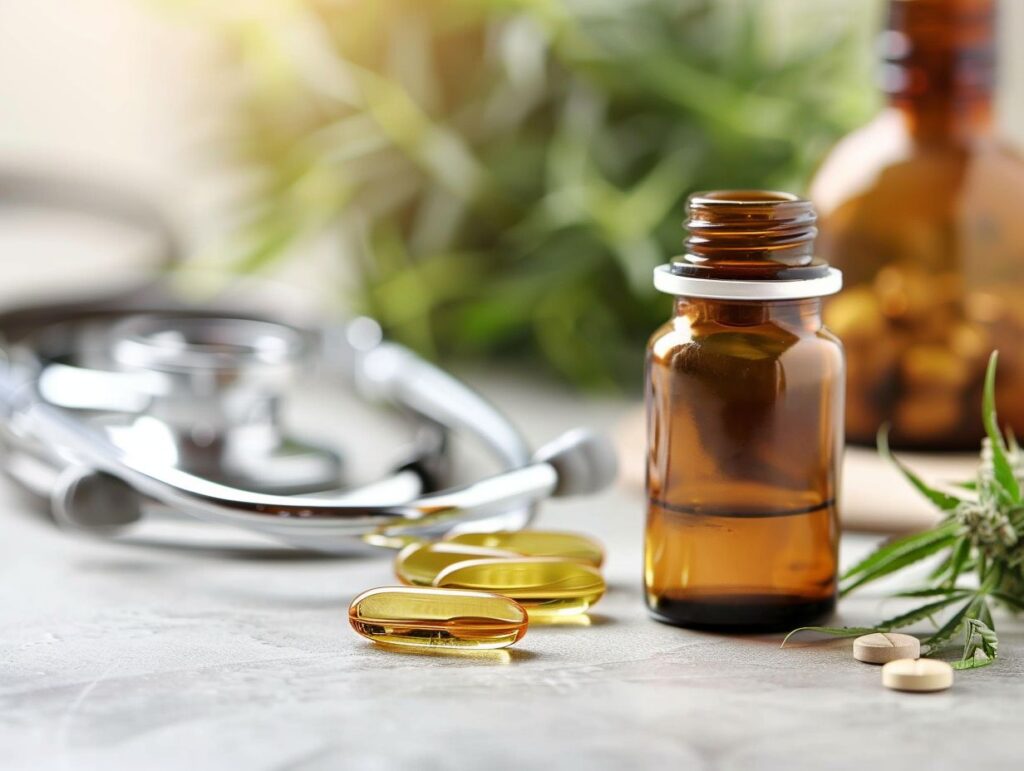
CBD can be used for pain relief through various methods, including topical application, oral consumption, and inhalation. Each method offers distinct advantages and considerations based on the individual’s preferences and the targeted pain.

  1. Topical application involves directly applying CBD-infused creams or balms to the skin, targeting specific areas for localized relief. This method is convenient and allows for targeted application, making it popular for joint or muscle pain.
  2. Oral consumption, such as using CBD oils or edibles, provides a systemic approach, offering longer-lasting relief throughout the body.
  3. Inhalation, through methods like vaping or smoking CBD flower, allows for quick absorption into the bloodstream, offering rapid relief but with a shorter duration compared to oral consumption.

Topical Application

Topical application of CBD involves directly applying CBD-infused products to the skin, targeting localized pain areas such as muscle pain and inflammation. This method allows for efficient absorption and bioavailability of CBD, offering targeted relief for specific pain concerns.

By applying CBD topically, the cannabinoid compounds interact with the body’s endocannabinoid system present in the skin, muscles, and nerves. This interaction helps to reduce inflammation, ease muscle tension, and alleviate localized discomfort.

Topical CBD products can bypass the digestive system, allowing for faster relief without needing to pass through the bloodstream first. This direct approach optimizes the concentration of CBD at the site of application, enhancing its effectiveness in addressing pain and inflammation in a more localized manner.

Oral Consumption

Oral consumption of CBD involves ingesting CBD products such as oils, capsules, or edibles to manage pain effectively. This method allows for precise dosage control and offers various benefits, enhancing CBD’s therapeutic potential in pain management.

When consuming CBD orally for pain relief, it is important to consider the appropriate dosage based on factors such as body weight, tolerance, and the condition being treated. By taking CBD products through the oral route, the compounds can be absorbed through the digestive system and metabolized in the liver, resulting in sustained release and long-lasting effects. This method is convenient for individuals seeking a discreet and easy way to incorporate CBD into their wellness routine, providing a gradual and steady alleviation of pain symptoms.

Inhalation

Inhalation of CBD through methods like vaping or smoking allows for quick absorption into the bloodstream, making it an effective option for managing nerve pain and acute discomfort. Proper dosage recommendations are essential when using CBD inhalation for pain relief.

When inhaling CBD for pain relief, it is crucial to understand that the dosage plays a significant role in its effectiveness. By following recommended dosage guidelines, individuals can experience the optimal benefits of CBD without the risk of adverse effects.

Nerve pain, in particular, can be alleviated by the fast-acting nature of CBD inhalation, providing quick relief to those experiencing discomfort. Consistency in dosing and a mindful approach to consumption are key factors in harnessing the full potential of CBD for pain management through inhalation.”

What is the Recommended Dosage of CBD for Pain?

Determining the recommended dosage of CBD for pain involves considering factors such as the severity of pain, individual tolerance levels, and the specific condition being treated. Evidence-based guidelines and pain scales are often used in chronic pain syndromes to guide CBD dosage recommendations.

These guidelines help healthcare providers assess the effectiveness of CBD treatment by tracking changes in pain levels and overall patient well-being. Pain scales, such as the Visual Analog Scale (VAS) or Numeric Rating Scale (NRS), allow patients to describe their pain intensity, enabling providers to adjust CBD dosages accordingly. It’s crucial to start with a low CBD dosage and gradually increase it while closely monitoring pain relief and any potential side effects. This personalized approach ensures that individuals receive an optimal dosage tailored to their unique pain management needs.

Are There Any Risks or Side Effects of Using CBD for Pain Management?

While CBD is generally well-tolerated, there are potential risks and side effects associated with its use in pain management. Understanding the safety profile of CBD, monitoring for adverse reactions, and consulting with healthcare providers can help mitigate potential risks.

Common side effects of CBD include fatigue, diarrhea, and changes in appetite. CBD can interact with certain medications, potentially affecting their efficacy. It is crucial to be mindful of these risks and consult with a healthcare professional before incorporating CBD into your pain management regimen.

Regular monitoring for any adverse reactions is important to ensure that the benefits of CBD outweigh the potential risks. Safety should always be a top priority when considering any new treatment approach for chronic pain.

Frequently Asked Questions

Is CBD effective in managing pain?

Yes, studies have shown that CBD can be effective in managing pain. It works by interacting with the body’s endocannabinoid system, which helps regulate pain levels.

What types of pain can CBD help with?

CBD has been found to be effective in managing various types of pain, including chronic pain, neuropathic pain, and inflammatory pain. It may also help with arthritis, migraines, and menstrual cramps.

Is CBD a better alternative to traditional pain medications?

CBD is often considered a safer and more natural alternative to traditional pain medications, which can have harmful side effects and potential for addiction. However, it is important to consult with a healthcare professional before replacing any medication with CBD.

How should CBD be used for pain management?

The most common way to use CBD for pain management is by taking it orally, either in the form of oil, capsules, or edibles. It can also be applied topically to the affected area for localized pain relief.

Are there any potential side effects of using CBD for pain management?

While CBD is generally well-tolerated, some people may experience side effects such as drowsiness, dry mouth, and changes in appetite. It is important to start with a low dosage and monitor your body’s reaction.

Can CBD be used alongside other pain medications?

CBD can potentially interact with certain medications, so it is important to consult with a healthcare professional before using CBD alongside other pain medications. They can advise on the best dosage and potential interactions.
Can Using CBD Result In A Positive Drug Test

With the rising popularity of CBD products, many people are turning to this natural remedy for various health issues.

  • Can using CBD result in a positive drug test? In this article, we will explore what CBD is, how it works in the body, the potential benefits of using CBD, and the differences between CBD and THC.
  • We will also discuss how long CBD stays in the body and provide tips on how to avoid a positive drug test when using CBD.
  • Let’s dive in and learn more about this fascinating compound.

What is CBD?

CBD, short for cannabidiol, is a naturally occurring substance derived from the cannabis plant. It is known for its therapeutic properties and is commonly ingested in various forms like oils, edibles, and topicals. The legality of CBD is subject to regulations that differ across jurisdictions, affecting workplace policies and setting legal limits on its use. Despite this, CBD is increasingly recognized for its potential health benefits, prompting its growing popularity in the wellness industry.

Consumers have the option to consume CBD through oral ingestion, topical application, inhalation, or sublingual administration. The versatility of CBD products allows individuals to choose a method that best suits their preferences and needs. With the gradual acceptance of CBD in mainstream culture, scientific research continues to unveil its potential therapeutic applications ranging from pain management to anxiety relief. This newfound understanding has propelled CBD into the spotlight, driving an industry surge in products ranging from CBD-infused skincare to beverages and supplements.

How Does CBD Work in the Body?

CBD interacts with the body’s endocannabinoid system, a complex network of receptors and neurotransmitters that regulate various physiological processes.

Upon ingestion, CBD undergoes metabolic processes that influence its pharmacokinetics and pharmacodynamics in the body. The metabolic pathways of CBD involve enzymatic breakdown in the liver through the Cytochrome P450 system, leading to the formation of various metabolites. These metabolites play a role in the duration and intensity of CBD’s effects.

Pharmacokinetics studies the absorption, distribution, metabolism, and excretion of CBD, shedding light on how the body processes and eliminates this compound. The pharmacodynamics of CBD focus on how it interacts with specific receptors to produce its therapeutic effects.

What are the Potential Benefits of Using CBD?

The potential benefits of using CBD are vast and diverse, ranging from pain relief and anxiety management to acne reduction and neuroprotective properties. Its therapeutic applications extend to medical use, offering a natural alternative with various health benefits.

  1. Individuals have reported experiencing reduced pain and inflammation with the use of CBD, making it a popular choice for those seeking a more natural approach to managing chronic pain conditions.
  2. CBD has shown promising results in alleviating symptoms of anxiety and depression, providing a calming effect on the mind and body.

  3. For those struggling with acne, the anti-inflammatory properties of CBD can help in reducing breakouts and improving overall skin health.

  4. Research has indicated that CBD may have neuroprotective effects, potentially offering a preventive measure against neurological diseases.


Pain Relief

CBD has shown promising results in alleviating pain due to its analgesic properties. Its use in medical settings for pain relief is backed by pharmacological research that explores the optimal dosage and potency needed to achieve effective pain management.

Studies have demonstrated that CBD interacts with the endocannabinoid system in the body, influencing neurotransmitter activity and reducing inflammation, which are key factors in pain perception and modulation. The analgesic effects of CBD are particularly beneficial for chronic pain conditions such as arthritis, neuropathic pain, and migraines. CBD is generally well-tolerated with minimal side effects, making it a safe option for many individuals seeking pain relief.

When considering dosage, individual factors such as weight, metabolism, and the severity of pain should be taken into account to determine the most appropriate amount of CBD for optimal pain management.

Anxiety and Depression Management

CBD has emerged as a potential remedy for managing anxiety and depression, contributing to holistic approaches to mental health. Consulting with healthcare professionals for medical advice on CBD usage is crucial for those seeking natural alternatives for anxiety and depression management.

Incorporating CBD into mental health regimens can provide individuals with a more comprehensive approach to addressing their emotional well-being. By integrating CBD products into daily routines under professional guidance, individuals can experience the potential benefits of reduced anxiety and improved mood regulation.

This shift towards a more holistic mindset when it comes to mental health signals a growing recognition of the interconnectedness between physical and emotional wellness. Embracing CBD as part of a wellness plan underscores the importance of personalized strategies in promoting overall mental well-being.

Acne Reduction

CBD has shown promise in reducing acne due to its anti-inflammatory properties, making it a potential ingredient in skincare products. Ensuring the purity of CBD products is essential to mitigate any side effects and maximize its effectiveness in acne reduction.

The anti-inflammatory properties of CBD play a crucial role in combating acne by reducing redness, swelling, and inflammation associated with breakouts. When incorporated into skincare routines, CBD can help soothe irritated skin, regulate oil production, and promote overall skin health. Product purity is key to avoiding potential adverse reactions, as contaminants or impurities can exacerbate skin issues instead of improving them. By understanding the importance of quality assurance in CBD products, individuals can harness its benefits for clearer, healthier skin.

Neuroprotective Properties

CBD exhibits neuroprotective properties that make it a valuable component in wellness and medical contexts. Its potential benefits for overall health and well-being underscore its significance in promoting neuroprotection.

The ability of CBD to interact with the endocannabinoid system in the body plays a crucial role in maintaining balance and supporting cognitive function. Research suggests that CBD may help protect neurons from damage, reduce inflammation in the brain, and enhance overall brain health. This natural compound has shown promise in mitigating symptoms of neurological disorders, such as epilepsy, Alzheimer’s, and Parkinson’s disease. CBD’s antioxidant and anti-inflammatory properties contribute to its role in supporting brain health and potentially preventing neurodegenerative diseases.

Can Using CBD Result in a Positive Drug Test?

The possibility of a positive drug test due to CBD use raises concerns, primarily because of the presence of THC in some CBD products. Understanding the detection methods and risks of false positives is crucial for individuals navigating workplace policies.

It is important to note that while most CBD products contain minimal amounts of THC, there are instances where certain products may have higher levels, increasing the likelihood of a positive drug test result. This poses a dilemma for individuals who rely on CBD for its therapeutic benefits but also need to adhere to stringent workplace drug policies.

Therefore, it becomes imperative for users to be vigilant, review product labels carefully, and opt for CBD products that are certified as THC-free to minimize the risk of unwanted consequences during drug testing.

What is the Difference between CBD and THC?

CBD and THC are two distinct cannabinoids found in cannabis plants, each with unique properties and interactions in the body. Differentiating between CBD and THC is essential for ensuring compliance with legal regulations and understanding the potential legal consequences associated with their use.

CBD, or cannabidiol, is non-intoxicating and is commonly used for its potential therapeutic benefits without the ‘high’ typically associated with THC. On the other hand, THC, or tetrahydrocannabinol, is psychoactive and responsible for the euphoric effects of marijuana. While CBD is legal in many places under certain regulations, THC remains illegal in numerous jurisdictions due to its psychoactive nature.

Ensuring that products contain the legal limit of THC is crucial to avoid possible legal repercussions and maintain compliance with local laws.

How Long Does CBD Stay in the Body?

The duration of CBD’s presence in the body depends on various factors, including metabolism and detection methods used. Accurate interpretation of CBD levels is crucial to avoid false results in drug screenings and ensure compliance with regulations.

Metabolism plays a significant role in determining how long CBD remains detectable in the system. Individuals with faster metabolism rates tend to process and eliminate CBD more rapidly than those with slower metabolism.

Detection techniques, such as blood, urine, and hair tests, also influence the duration of CBD in the body. Understanding the unique characteristics of each detection method is essential for accurate interpretation of results.

Proper training and adherence to standardized protocols are vital to prevent misinterpretation and false positives in drug tests, which could have serious consequences for individuals, including legal implications and jeopardizing employment opportunities.

Can Secondhand Exposure to THC Cause a Positive Drug Test?

Secondhand exposure to THC presents challenges in drug screening processes, potentially leading to positive test results. Understanding employer responsibilities and employee rights in cases of inadvertent THC exposure is essential for navigating workplace testing protocols.

While individuals may not intentionally consume THC, they can still test positive due to environmental exposure. This is a concerning issue for both employees and employers, as it can raise questions about fairness and legality in the workplace.

Employers need to establish clear policies and procedures for addressing secondhand THC exposure, ensuring that employees are protected from unjust consequences. Employee rights play a crucial role in balancing the need for a safe work environment with the recognition of individual freedoms and limitations surrounding THC exposure.

How to Avoid a Positive Drug Test when Using CBD?

To prevent a positive drug test when using CBD, individuals must consider factors such as THC content in products, compliance with workplace policies, and the associated risks. Taking proactive measures is crucial to ensure adherence to regulations and avoid potential consequences.

One effective strategy is to always check the THC content of CBD products before consuming them, as even trace amounts can lead to a positive drug test. Staying informed about workplace policies regarding CBD use can help individuals navigate the balancing act between health benefits and professional responsibilities. Implementing risk mitigation measures, like opting for CBD isolate products that are THC-free or discussing CBD usage openly with employers, can further decrease the chances of facing consequences from drug testing.

Check the THC Content of CBD Products

Before using CBD products, it is essential to check the THC content to ensure compliance with legal limits. Understanding the extraction methods, potency levels, and lab testing results can help in selecting CBD products that meet regulatory standards.

The THC content in CBD products is a crucial factor to consider because exceeding legal limits can lead to unwanted psychoactive effects that may not align with the desired therapeutic benefits sought from CBD. Different extraction processes like CO2 extraction or solvent extraction can impact the final THC content in the product. Therefore, being aware of the extraction method used by manufacturers can provide insights into the overall quality and composition of the CBD product.

Lab testing plays a vital role in confirming the accuracy of THC levels and overall potency, ensuring consumers receive safe and effective products.

Use CBD Isolate Products

Opting for CBD isolate products can minimize the risk of THC exposure due to their purity and controlled formulations. Ensuring quality control through lab reports and certificates of analysis enhances the reliability and safety of CBD isolate products.

By choosing CBD isolate products, individuals can enjoy the benefits of CBD without worrying about the psychoactive effects of THC. The meticulous production process of CBD isolates helps to maintain a high level of purity, meeting strict quality standards.

Lab reports and certificates of analysis provide consumers with transparent information about the product’s contents, ensuring consistency and purity. This level of transparency instills confidence in the product’s quality and purity, making CBD isolate a preferred choice for those seeking a reliable and uncontaminated CBD experience.

Use CBD Topicals Instead of Ingestible Products

Choosing CBD topicals over ingestible products can reduce the risk of systemic absorption and potential drug test issues. Emphasizing product labeling and consistency ensures accurate application and adherence to recommended usage guidelines.

CBD topicals offer the advantage of targeted relief, with the potential to provide localized effects that may be preferred over the whole-body impact of ingestible CBD products. Understanding the bioavailability differences between topicals and oral supplements is key in maximizing the benefits of topical applications. Ensuring that product labeling clearly indicates the CBD concentration and usage instructions is essential for safe and effective use. Consistency in product formulation not only enhances the user experience but also promotes confidence in the product’s reliability and desired outcome.

Talk to Your Employer about CBD Use

Open communication with employers regarding CBD use is crucial in navigating workplace policies and understanding potential legal consequences. Clarifying employer responsibilities and employee rights concerning CBD usage can help establish a transparent and compliant approach.

Ensuring clarity on company rules concerning CBD use can avoid confusion and ensure alignment with legal regulations. Employees should be aware of their rights to privacy and a safe working environment while also understanding the employer’s duty to provide a drug-free workplace.

Engaging in open dialogues about CBD use can foster a positive and cooperative relationship between employers and employees, contributing to a harmonious and mutually beneficial work environment.

Frequently Asked Questions

Can using CBD result in a positive drug test?

Yes, it is possible for CBD use to result in a positive drug test. CBD products can contain trace amounts of THC, the psychoactive compound found in marijuana, which can be detected in drug tests.

What is CBD and how does it differ from marijuana?

CBD, or cannabidiol, is a compound found in the cannabis plant. It differs from marijuana in that it does not contain THC, the psychoactive compound responsible for the “high” associated with marijuana use.

How can I ensure that I will not test positive for THC when using CBD?

To avoid testing positive for THC, it is recommended to use CBD products that are labeled as THC-free or have been third-party tested to verify the absence of THC.

Can using CBD result in a false positive on a drug test?

While it is rare, it is possible for CBD use to result in a false positive on a drug test. This can occur if the CBD product contains trace amounts of THC or is contaminated with THC during the manufacturing process.

Is it legal to use CBD products?

Yes, CBD products that contain less than 0.3% THC are legal at the federal level in the United States. However, it is important to check the laws in your state as they may vary.

Are there any other factors that could result in a positive drug test while using CBD?

Yes, there are other factors that could contribute to a positive drug test while using CBD, such as using a higher dose of CBD or using a product that has a higher THC content than labeled.

Can I Return A CBD Oil To A Dispensary If I am Not Satisfied

Curious about CBD and its benefits, but unsure if you can return a product to a dispensary if it doesn’t meet your expectations?

  • In this article, we will explore what CBD is, the benefits of CBD products, and whether they can be returned to a dispensary.
  • We will also discuss the steps to return a CBD product, alternative options, and things to consider before making a return.

Stay tuned to learn more about navigating the world of CBD products with confidence.

What Are CBD Products?

CBD products encompass a wide range of items infused with cannabidiol, varying from oils and capsules to skincare and pet products. Quality CBD products are typically labeled with detailed ingredient lists and concentrations.

This transparency is crucial for consumers seeking reliable and effective CBD options. With the growing popularity of CBD, the market has exploded with a plethora of choices. Some popular variations include CBD gummies, tinctures, topicals, and even beverages.

Each product type caters to different preferences and needs, offering a versatile array of consumption methods. It is essential for consumers to prioritize products that undergo rigorous quality assurance measures, ensuring purity, potency, and accuracy in labeling. By selecting reputable brands that prioritize transparency in ingredient sourcing, consumers can feel confident in the products they are using.

What Are The Benefits Of CBD?

CBD offers a myriad of potential benefits, including pain relief, anxiety reduction, and alleviation of cancer-related symptoms. Its efficacy varies among individuals, and side effects are generally mild.

Some individuals have reported improved sleep quality and reduced inflammation after using CBD products. CBD has shown promising results in managing skin conditions such as acne and eczema. Its potential to help with conditions like epilepsy and PTSD has also sparked interest in the medical community.

Concerns about psychoactive effects are often addressed by emphasizing that CBD products contain minimal to no amounts of THC, the component responsible for the ‘high’ associated with marijuana.

CBD continues to gain recognition for its versatile health benefits and relatively low risk of adverse reactions.

Pain Relief

CBD has gained recognition for its potential to alleviate various types of pain, including chronic pain conditions. Its efficacy in pain management has shown promising results in several studies.

One key way in which CBD helps relieve pain is by interacting with the endocannabinoid system in the body, which plays a crucial role in regulating functions like pain perception and inflammation. By influencing receptors such as CB1 and CB2, CBD can help reduce pain sensation and inflammation. CBD’s anti-inflammatory properties have been found to be beneficial in conditions like arthritis and neuropathic pain. Research has also suggested that CBD may enhance the effects of neurotransmitters like serotonin and anandamide, further contributing to its pain-relieving effects.

Reduces Anxiety and Depression

CBD has been studied for its potential to reduce anxiety and alleviate symptoms of depression. Many consumers report positive effects on their mental health and overall well-being after using CBD products.

CBD interacts with the endocannabinoid system in the body, which plays a key role in regulating mood, stress, and emotions. By influencing the receptor activity in this system, CBD may help in managing anxiety and promoting feelings of calmness. Some studies have suggested that CBD can also aid in reducing symptoms of PTSD and OCD, further highlighting its potential benefits for mental health. Consumer testimonials often mention experiencing improved sleep quality, reduced social anxiety, and a general sense of well-being with consistent CBD use.

Alleviates Cancer-Related Symptoms

CBD has shown promise in alleviating cancer-related symptoms such as pain, nausea, and loss of appetite. Consumers undergoing cancer treatment have reported improvements in their quality of life with the use of CBD products.

The potential benefits of CBD for cancer patients extend beyond symptom relief. Research suggests that CBD may also possess anti-inflammatory properties, which could aid in reducing inflammation associated with cancer.

Some cancer patients have noted better sleep patterns and reduced anxiety levels after incorporating CBD into their treatment regimen. Many individuals have shared testimonials about how CBD has positively impacted their overall well-being, providing them with a sense of comfort and improved outlook on their health journey.

Can CBD Products Be Returned To A Dispensary?

Customers who have purchased CBD products from a dispensary may be eligible to return them based on the dispensary’s refund policy. Understanding the return process and eligibility criteria is essential for a satisfactory resolution.

Before attempting to return CBD products, it is crucial to familiarize yourself with the dispensary’s specific return guidelines. Each dispensary may have slightly different policies regarding returns, so it’s important to clarify these details ahead of time to avoid any potential confusion or complications. Being aware of the dispensary’s satisfaction guarantee and return window can help streamline the return process.

Once you have a clear understanding of the dispensary’s policy, you can initiate a return by contacting their customer service team or visiting the dispensary in person with your original receipt and the product in its original packaging.

Dispensary Return Policies

Dispensaries typically have specific return policies that outline the conditions under which CBD products can be returned. Understanding these policies is crucial for customers seeking to initiate a return.

Return policies may vary between dispensaries, but common conditions for returns include unopened products within a certain timeframe, products with manufacturing defects, or products that have not been opened or used. Some dispensaries may also have restrictions on returning certain items, such as edibles or perishable goods. Exceptions to returns often include products that have been tampered with or used extensively. By adhering to these policies, customers can ensure a smoother return process and maintain a positive relationship with the dispensary.

Reasons For Returning CBD Products

Customers may choose to return CBD products due to dissatisfaction with the product quality, adverse reactions, or discrepancies in product information. Ensuring consumer rights protection is essential in the return process.

This protection safeguards customers by giving them the confidence to voice their concerns and seek resolution for their issues. When customers encounter problems with CBD products, such as ineffectiveness or unexpected side effects, the ability to return the item solidifies the trust between consumers and sellers. The complaint process serves as a bridge to address grievances effectively, ensuring that customers feel valued and heard. By upholding consumer rights, businesses demonstrate their commitment to transparency, quality assurance, and customer satisfaction.

What Are The Steps To Return A CBD Product To A Dispensary?

Returning a CBD product to a dispensary involves several steps, starting with checking the return policy and ensuring the product is unused and in its original packaging. Following the dispensary’s guidelines is crucial for a smooth return process.

Once you have familiarized yourself with the dispensary’s return policy, the next step is to confirm that the CBD product you wish to return has not been opened or used. It’s important to keep the product in its original packaging to streamline the return process. Reaching out to the dispensary to obtain a return authorization is usually required before sending back the item. Documentation such as the original purchase receipt and any relevant paperwork should also be prepared to present during the return. By adhering to these steps diligently, you can ensure a hassle-free return experience.

Check The Return Policy

Before initiating a return, customers should carefully review the dispensary’s return policy to understand the terms, conditions, and refund eligibility criteria. Compliance with the policy is essential for a successful return.

One crucial aspect to consider when evaluating the return policy is the timeframe within which returns are accepted. Some dispensaries may have a strict deadline for returns, while others offer a more flexible approach. It is important to note any requirements for the condition of the product being returned. Most policies specify that the product must be unopened, unused, and in its original packaging to qualify for a refund. Understanding these details can prevent any misunderstandings or issues during the return process, ensuring a smooth and hassle-free experience for the customer.

Gather Necessary Information

Customers preparing to return a CBD product should gather essential information such as the purchase receipt, transaction details, and any relevant documentation required for reimbursement. Having all necessary information streamlines the return process.

The purchase receipt is crucial as it serves as proof of the transaction and validates the return. Alongside the receipt, ensuring that the transaction details, such as the date of purchase, payment method, and the product SKU, are also accurately recorded can significantly expedite the reimbursement process. Providing complete and detailed documentation not only facilitates a smooth return but also helps the customer service team efficiently process the refund. Therefore, attention to detail in gathering and presenting these documents can lead to a prompt and hassle-free reimbursement experience for customers.

Pack And Ship The Product

Properly packaging the CBD product and obtaining return authorization from the dispensary are crucial steps before shipping the item back. Following the designated return process ensures a hassle-free return experience.

When preparing your CBD product for return, it’s important to securely wrap it to prevent any damage during transit, using bubble wrap or padded envelopes for protection.

Make sure to include any original packaging and documentation to expedite the return process. Before sending the package, contact the dispensary to obtain a return authorization number, which is essential for tracking and verification.

Once you have the authorization, carefully label the package with the return address provided by the dispensary and select a reliable shipping method with tracking to monitor its journey back.

What Are The Alternatives To Returning A CBD Product?

In cases where returning a CBD product is not feasible, customers have alternative options such as exchanging the product for another item, receiving store credit, or donating the product to those in need.

  1. Exchanging a CBD product for another item can be a convenient solution for customers seeking an alternative. Many retailers offer exchange programs where customers can swap their unwanted CBD products for a different product of equal or lesser value.
  2. Some stores have flexible store credit policies, allowing customers to use the value of the returned CBD product towards future purchases.

Another meaningful option is donating the product to those who may benefit from its use, providing an opportunity to give back to the community and support those in need.

Contact The Manufacturer

Customers dissatisfied with a CBD product can opt to contact the manufacturer directly to address their concerns, seek resolution, and provide valuable feedback. Building a connection with the manufacturer can enhance customer loyalty.

By reaching out to the manufacturer, customers also have the opportunity to gain further insight into the product, its ingredients, and usage guidelines. Establishing a line of communication with the manufacturer not only allows for a personalized resolution of any issues but also fosters a sense of trust and transparency. Maintaining a positive relationship with the manufacturer can lead to mutual benefits, such as early access to new products, exclusive offers, and a deeper understanding of the brand’s values and commitment to customer satisfaction.

Donate The Product

When customers no longer require a CBD product or are dissatisfied with it, donating the item to charitable organizations or individuals in need can be a meaningful alternative. Donations contribute to consumer satisfaction and social impact.

By choosing to donate unused CBD products, customers not only free up space in their homes but also foster a sense of community connection and goodwill. The act of giving back through donations has a ripple effect, positively impacting both the giver and the recipient. It not only helps those in need but also enhances one’s own well-being and satisfaction.

To start the donation process, individuals can reach out to local charities or online platforms dedicated to redistributing unused items to those who would benefit from them.

Use The Product For Other Purposes

Instead of returning a CBD product, customers can explore using it for alternative purposes or recommend it to others who might benefit from its properties. Exploring different product variations can lead to new usage possibilities.

For example, a CBD oil intended for oral consumption can also be infused in skincare products for added benefits. Tinctures can be mixed into beverages or used in cooking to incorporate the potential health benefits of CBD into daily routines. Topical creams can double up as massage balms for muscle relaxation. By sharing these recommendations with friends and family, individuals can discover innovative ways to integrate CBD products into their wellness routines and lifestyle choices.

What Are The Things To Consider Before Returning A CBD Product?

Before initiating a CBD product return, customers should consider factors such as the return timeframe, any restrictions set by the dispensary, and the specific conditions required for a successful return. Understanding these aspects ensures a smooth return process.

When assessing the return timeframe, customers should check if there is a specified period within which returns are accepted post-purchase. It’s essential to be aware of any restrictions imposed by the dispensary, such as whether opened products can be returned or if there are restocking fees. Familiarizing oneself with the specific conditions for return, like keeping the original packaging or providing proof of purchase, can streamline the return process and avoid any potential complications.

Check The Expiration Date

Verifying the expiration date of a CBD product is crucial before returning it to a dispensary, ensuring product safety, legality, and compliance with regulations. Expired products may pose health risks and legal concerns.

When checking the expiration date, customers can safeguard themselves against using products that may have lost their potency or have undergone chemical changes that could be harmful to the body.

Not only does ensuring product safety benefit the consumer, but it also contributes to maintaining overall industry standards and adhering to legal requirements.

By staying informed about expiration dates and following proper disposal procedures for expired CBD products, individuals can actively participate in promoting a safe and compliance-driven market for these items.

Understand The Return Policy

Customers returning CBD products must have a clear understanding of the dispensary’s return policy, including legal requirements, refund procedures, and specific terms and conditions outlined. Compliance with the policy ensures a seamless return process.

This not only protects both the customers and the dispensary, but also helps in maintaining a smooth transaction experience. By familiarizing oneself with the legal requirements and adhering to the outlined terms and conditions, customers can confidently navigate the return process. It is essential to be aware of any restrictions or limitations that may apply to refunds, as these are put in place to ensure fair dealings for all parties involved. Prior knowledge of the return policy guidelines sets clear expectations and facilitates a transparent and efficient return process.

Frequently Asked Questions

Can I return a CBD product to a dispensary if I’m not satisfied?

Yes, most dispensaries have a return policy that allows customers to return CBD products if they are not satisfied. However, it is always best to check with the specific dispensary before making a purchase to ensure their return policy.

What types of CBD products can I return to a dispensary?

The types of CBD products that can be returned to a dispensary may vary, but typically include items such as tinctures, topicals, edibles, and capsules. Again, it is important to check with the dispensary beforehand to confirm their return policy.

What is the time frame for returning a CBD product to a dispensary?

The time frame for returning a CBD product to a dispensary may also vary, but most dispensaries have a return policy of 7-14 days. Some may allow returns for up to 30 days, while others may have a shorter return window. It is important to clarify the time frame with the dispensary beforehand.

Will I receive a refund or exchange for the returned CBD product?

This will depend on the dispensary’s return policy. Some may offer a full refund, while others may only allow for an exchange or store credit. It is important to ask the dispensary about their policy before making a return.

Can I return a CBD product to a dispensary if it has been opened or used?

This will also vary depending on the dispensary’s return policy. Some may allow returns for opened or used products, while others may only accept returns for unopened and unused items. It is important to clarify this with the dispensary before making a return.

Do I need to provide a reason for returning a CBD product to a dispensary?

In most cases, dispensaries will require a reason for the return. This could be due to the product not meeting expectations, causing adverse reactions, or being damaged. However, it is always best to check with the dispensary beforehand to see if they have any specific requirements for returns.

« Older posts Newer posts »